
I haven’t been a therapist for very long. In fact, I’m still in my internship. And this was written while my kiddo watched Bluey beside me. So there are your disclaimers.
I had a thought recently: on a meta level therapy might be both more and less necessary than ever – depending on what is meant by “therapy.”
*type your email below if you’d like my writing to be sent to your inbox*
An Anxious Culture
In one sense, we could say that therapy is more necessary than ever due to the massive anxiety of the culture. Everyone is anxious; everyone is distracted. And not just young people. The 24/7 access of parents, adults, and most kids to social media and the digital entertainment (think YouTube, Instagram reels, and Facebook) means that at the slightest twinge of boredom, anxiety, loneliness, or any other discomfort, we’ve all got a quick fix. And it’s really no “fix” at all, just another hit of numbing pleasure. In this way, we are wiring our brains for escape, always ready to get away from discomfort.
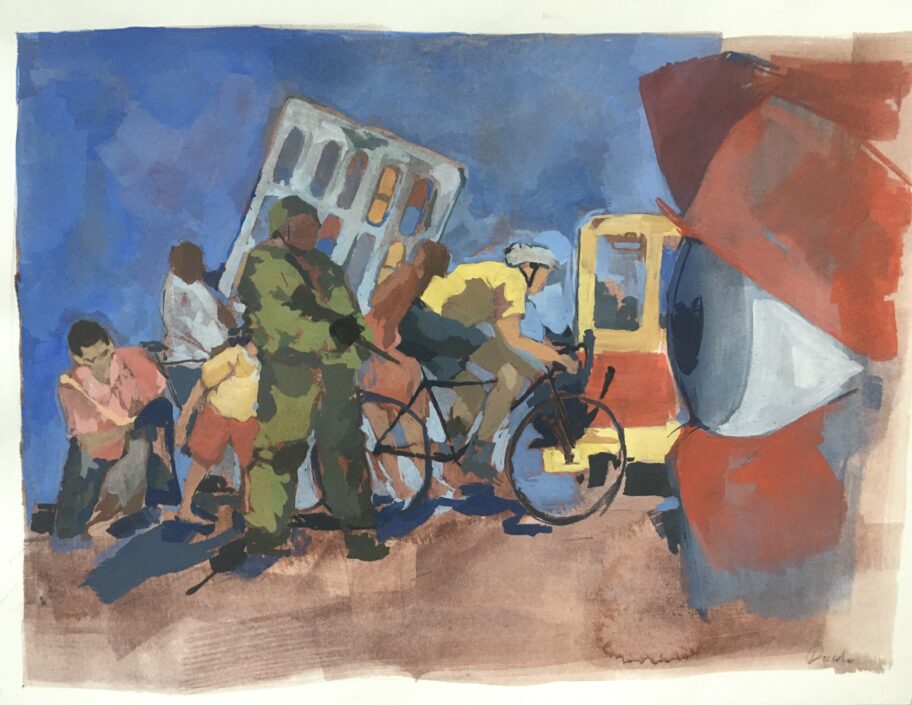
This is affecting pretty much every aspect of life for many/most people. Kids and adults are having a hard time sleeping and relaxing, and the sources of our constant anxiety are rarely addressed. Our quick fix habits, like doom-scrolling, eating, and watching are formed and solidified, and they don’t lead to wellbeing. So in this sense, as participants in this sort of culture, we are anxious and depressed. We struggle with interpersonal interactions and are not inclined to try new hobbies or other activities which would connect us to other people. A therapist can be a really helpful resource.
The Therapist as Educator
In another sense, the language of therapy has saturated the culture. In these short videos and social media posts we’re watching for hours each day, therapy-speak is commonplace. Whereas 20 years ago the average person coming into the therapy room probably hadn’t every heard much about “boundaries” or “trauma” or being “overstimulated,” many of the clients coming in now use all these words as they are a part of the language of social media. Since these concepts are no longer contained only in classrooms and counseling offices, one might say the insights of psychotherapy have made it into the popular culture. And therefore therapy is less necessary. If the goal of the therapist to teach clients concepts, called “psychoeducation,” then maybe this is true. But I don’t think so.
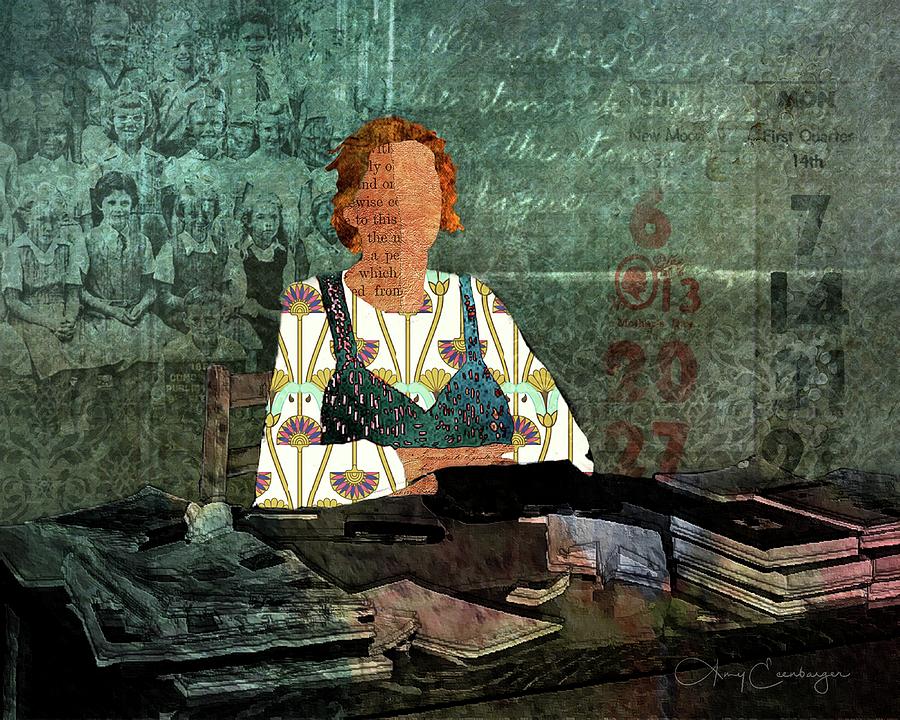
While the therapy-speak saturates the popular culture, this doesn’t mean too much in the way of people being healthier. Kind of like how I know the words “keto” and “probiotic,” but I am not changed because of it. Even if social media types use the clinical-speak accurately, which is not always the case, this doesn’t mean it’s doing any good. A great example from pop culture is The Secret Lives of Mormon Wives. I’m a bit ashamed to say I know this from watching. The folks in this show toss around therapy-speak constantly. And it comes off with an air of having insight and understanding. Yet is is painfully clear that no matter how many times these wives and husbands say “triggered” or “projecting” or “self care,” their insecurity and dysfunction is significant enough to fill two seasons of TV (with another on the way?). It seems very unlikely that knowing more about clinical terminology would be helpful here.
Speaking on a cultural level, if the average person knows the therapy words already, then what sort of work with a therapist might be helpful? What sort of work could be done with those who know all the fancy words and still have all the usual problems plaguing our modern lives?
Therapy as Presence
Very simply put, I think what is needed is often presence, sustained attention to our pain and confusion – that is, someone to be present with us in a new way.
One of the hallmarks of our time is the ability to escape. If we don’t like a church or a food or a video or a friend, we are often able to go elsewhere, swipe up to the next video, or swipe left to the next person. We carry access to laughs, info, pleasure, food, communication on our person all day, morning to night. Our phones are always there. I think we’ve been conditioned to run away. Therapy can be a place where someone invites us to stick with the pain, stick with the confusion, stay with a memory. And more than lengthening our attention span, it is a place where someone is committed to sticking be present with us while we pay attention.
One of my favorite quotes is from Gabor Maté who says (paraphrasing here) “Children don’t get traumatized because they get hurt. They get traumatized because they are alone with the hurt.” That seems true to me, and not just for children. The therapy room can be much more than a place to learn new words, it can (and should) be a place where another human being sits with you in your pain. And in this way, perhaps we need therapy more than ever. We seem to be more without people to sit with us in our pain than ever before. We are often scared of each others’ pain, and scared of our own pain. I sure am.
Therapy can be a place where the trauma of having been left alone with hurt is transformed though someone else paying careful, compassionate attention. Ryan Kuja says “When love touches a wound, the lead of pain alchemizes into the gold of wisdom…When love touches a wound, an ancient ache is slowly digested.” Therapy can be many things: education, presence, routine, questions, answers, confrontation, insight, and more. Certainly though, good therapy is about presence.
So then: does this culture and this moment call for more or less therapy? I’d say we need more attention, awareness, and presence, to our pain, our internal world, our soul. These often come to us through trusted friends, pastors, family members, or time spent in nature. And sometimes, it comes through a person trained specifically for this work and these questions – through the therapy hour and the careful presence of a therapist.
*cover image from: https://www.taubmanmuseum.org/event/community-conversation-trauma-healing-and-art-postponed-to-february-4-2024
 javen.bear.