This essay originally published in the June edition of The Savannah Post. Sign up to receive this delightful publication here.
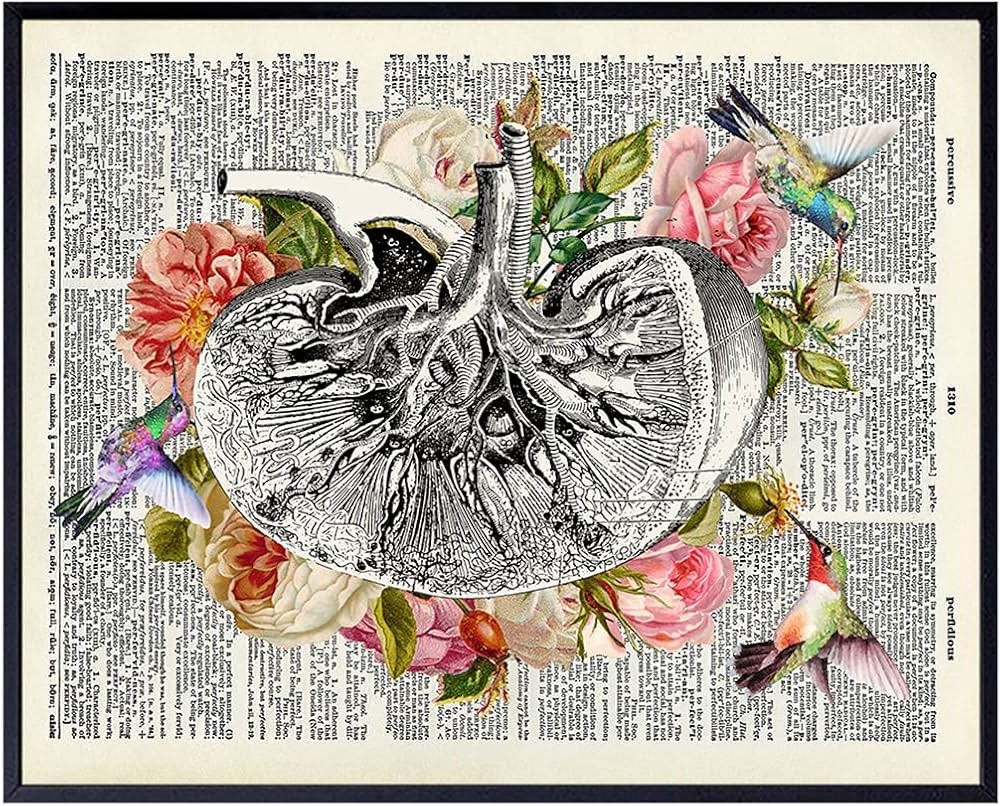
The kidney punch is illegal in most combat sports. A blow to this unprotected organ may cause shock, nausea, a stunning effect beyond a normal boxing blow. That’s one way to think about psychological trauma. The event itself may appear normal, just another hit. Day to day difficulties are, as Ignacio says in Nacho Libre, “A nice punch to the face.” Traumas are like kidney punches. The effect is different, lingering on long after.
On Saturday, Ava and I went to a splashpad where a rowdy group of first graders were having a birthday party. Some of these six-year-olds were duking it out with water weapons. “This is the battle of the galaxy!” yelled a small boy a second and a half before taking a flexible foam saber to the spine. He fought on valiantly, unphased. This was not a blow which would take him out or have long lasting effects. Certainly not a trauma. One way to identify past traumas is to observe the present. It is problems in the “now” which indicate traumas in the past. After a traumatic event, the nervous system is changed – it works differently now. Flight or fight responses may get triggered easily. There may be a sense of dread, of being frozen, or totally overcome with anxiety. Feelings that are bigger than the situation warrants point to something deeper going on. Let me tell you about a few of these.
One: When I was sixteen years old, I got pulled over by a cop after the hours I was supposed to be driving with a learner’s license. This cop grilled me, scared me, and was very uncompassionate overall. It really scared me. Not too long after, I got pulled over for no reason late at night – the cop just wanted an excuse and made up something dumb. I began to feel intense fear of being pulled over. To this day, if a cop gets behind me, I often pull off and let them pass. The feeling of being followed like that makes me extremely uncomfortable. This has not been worked through, clearly. Part of me is still stuck there, being grilled by a small town cop, scared and alone.
Two: It is 2021, and I’m sitting in a theatre watching the West Side Story remake movie. Towards the end, there is a tense, darkened scene in which a character gets shot in the back very unexpectedly. It startled me. Further down the isle, a young girl screamed. Then she got up and ran out of the theatre. As I walked toward the bathroom, I saw her sitting on the floor crying while someone tried to comfort her. She was overwhelmed and shaking – something had happened which her nervous system couldn’t tolerate.
Recently, a fairly prominent person wrote a post concerning trauma. They claimed the way to heal from traumatic wounds is to shift your focus away from them and onto God. I have just enough tolerance for confronting people to be dangerous. I replied to the post with something kind of snarky which I later apologized for. If there is one thing that really chaps me, it’s folks who play the teaching role and tell other folks how to get healed and invoke a small view of God in their solutions. “This is crap.” I said. “I’m sorry for saying this is crap.” I said later.
Three: I had grand plans of enclosing a carport to make more living space. A contractor came out to speak with me about it. He was quite a large man who drove a large truck. While I assumed he was there to hear me talk about the building plans, he did most of the talking. He began to tell me about recently getting hit at an intersection, how terrifying it was, how badly he was injured, how hard it is to drive now. He said at intersections he’s scared. “I get real mad, and then I start to cry.” he said. Large men driving large trucks typically don’t become tearful at intersections. This points to something having been damaged which needs careful attention.
So, perhaps the girl at the theatre, the contractor, and I have not been able to properly “focus on God” intently enough. Or perhaps this is a fairly terrible way to approach such wounds. Kind of like how having a doctor not look at a shattered kidney may not be a wise way to heal it. What if a better answer is a careful, compassionate focus on the wound in a way which allows for healing and growth? Looking at it, gently, rather than looking away.
Four: When I was ten years old, I drilled a kid in the kidney during a baseball game. Unfortunately, I did not have a flexible foam saber, nor did the kid keep fighting. He crumpled like a sack of potatoes, and I got ejected from the game. Until age 27 I could not tell this story without choking up. Through our church, I started meeting with a group of guys each Sunday morning. In a planned exercise, we each shared moments which dramatically shaped our lives in some way. I told this story to these guys, and they listened very kindly and very intently; something shifted. It no longer holds the same power. I think I could tell you this story now, and my voice would not break. Their attention and my willingness to cry in front of them shifted something. It doesn’t really bother me anymore.
The Savannah Post is a monthly piece of mail sent to readers all over. It contains four elements. Check it out here.

