“I finish things; that’s what I do, and I’m going it alone.”
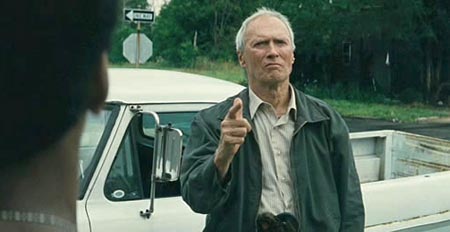
Walt Kowalski (Clint Eastwood) is a tall, white-haired, racist veteran of the Korean War trying to make sense of a changing America. The enjoyment he once found sharing his neighborhood with white folks has morphed into abjectly watching Hmong immigrants invade the homes around him. Faithful dog on one side and case of Pabst Blue Ribbon on the other, Walt is the weathered remnant of an America gone by. And while he’s a man who hates change, it’s ultimately the unfamiliar which serves as the gateway to his transformation and absolution.
Gran Torino is nicely characterized as a melodrama, but it also resembles both a western and a post-Vietnam war film. Director Clint Eastwood has worked on war films (American Sniper), westerns (Unforgiven), and dramas (Million Dollar Baby). With more than thirty films under his belt as a director, Eastwood is well equipped to pull off Gran Torino, a war film without a single scene of battle, a western set in a middle class Michigan neighborhood, a melodrama culminating with a gunfight. However you wish to categorize Gran Torino, it’s a work which stands out in Eastwood’s filmography. The feature has won multiple awards and is the first mainstream American film to cast Hmong Americans in primary roles.
My most vivid experience with an Eastwood film up to this point was Unforgiven, and the similarities between the two films are striking. Gran Torino’s main character, Walt Kowalski, and Unforgiven’s William Munny (also played by Eastwood) are both gunslingers living on the fringes of society, men whose sense of right and wrong won’t let them integrate into the mainstream. Undoubtedly, Eastwood is playing a western character in both of these films – a weathered, experienced fighter who speaks low and evenly. We’re familiar with this character in the context of a western, but I was interested to see what he’d look like living in the suburbs of Michigan.
The film wastes no time in acquainting the viewer with its protagonist. We see Walt in a church standing beside his wife’s casket and grimacing at the presence of his emotionally indifferent family. Time and again, his own sons disappoint him; they only call to ask for favors, visit to weasel deeper into the will, and push pamphlets for nursing homes. The glory of serving his country has long worn off, his wife is gone, and there never was much emotional connection with his family. Walt drives a square body American-made truck and owns a beautiful 1972 Ford Gran Torino, which he helped assemble on the line in the Ford factory. He buys American. He drinks Pabst Blue Ribbon beer. He protects his yard with a carbine rifle from his days in service. And now, he is resigned to sitting on his porch, waiting to die alone, in a neighborhood being claimed by Hmong immigrants.
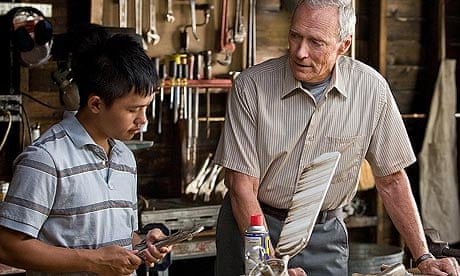
In the first act, Walt’s commitment to defending his own territory requires him to pull a gun on a gang harassing his Hmong neighbors. The old man finds himself a celebrated hero of the Hmong community. Though at first Walt is resentful of the interaction with his no longer white neighbors, he’s slowly won over by Sue (Ahney Her), a teenage Hmong girl who pursues his friendship, invites him to a party, and even gets him to drink rice liquor. This is the friendship that will lead to Walt’s own transformation. Scene by scene, he acknowledges the honor of his position as neighborhood protector and eventually becomes a sort of grandfather.
Behind his unapologetic demeanor, Walt is tortured by what he later confesses as four sins: avoiding taxes on a boat motor, kissing a woman not his wife, failing to connect with his sons, and, chief of them all, killing a young Korean boy who was trying to surrender. Compounding his shame is the silver star sitting in a chest in his basement. He was decorated for the killing, and the memory of taking the life of a Korean boy haunts him every day. After being harassed, a young Hmong boy named Thao (Bee Vang) seeks revenge and asks Walt what it’s like to kill someone. Walt’s response crystallizes as one of the film’s main thrusts: “It’s goddamn awful – the only thing that’s worse is gettin’ a medal of valor for killing some poor kid who wanted to just give up.”
Even while he’s tormented with guilt, Walt hates the prospect of going to confession. He is particularly opposed to being ministered to by Father Janovich, “a boy fresh out of seminary.” The young priest (Christopher Carley) pursues Walt the entirety of the film, in accordance with the wishes of his late wife. The irony of a young man trying to teach an old war veteran about life and death isn’t lost on Walt. Like the next-door neighbors, the priest does make some headway and even earns the privilege of addressing the old man as “Walt” instead of “Mr. Kowalski” after sharing a beer with him. When Father Janovich finally sits across from Walt in the confession booth, what he hears shocks him. He’s left with the reality that the redemption Walt Kowalski needs is beyond what he can prescribe.
Gran Torino is ultimately about absolution, about the redemption of a soul all but gone. The tension lies in the space between the Walt in act one and the Walt in act three. He must be transformed from a man who would shoot a neighbor crossing the boundary line into a grandfather who will sacrifice himself, from the soldier who killed a helpless Asian boy to a man who dies on his behalf. The question addressed by Gran Torino is, what can initiate that forgiveness and transformation? The efforts of church and family will not be enough – in the end, only the genuine and unreciprocated love of a young Hmong girl will be enough to break through.
In Eastwood’s western Unforgiven, the catalyst for act three is the news of death. When a messenger girl tells Will Munny his partner has been shot, he gives up his sobriety, takes a long pull of liquor, and executes a ruthless vengeance. The same scene happens in Gran Torino. Walt watches his best friend Sue come through the door; her eyes are swollen, her face battered, and blood is dripping down her legs. She’s been raped and beaten by a gang of thugs. Walt drops the glass of liquor in his hand, and the shattering glass is the gavel of judgement from a man who finishes things.
The difference is that in this scene Walt walks toward the evil with the full intent to give his life as a ransom. With a single deft movement and the words “Hail Mary, full of grace,” Walt takes the full force of the evil onto himself. This is an act of judgment, as he condemns the gangbangers to live with his blood on their souls. But, more importantly, it’s his absolution.Walt has been transformed. He’s still a cussing, strong-willed old man with a racist vocabulary, but he’s crossed from killer of the helpless to defender of the innocent.
Gran Torino manages to communicate more about war than many films devoted to the genre, and it does so without ever showing a battlefield. By using dramatic force, this film poses question of life and death, guilt and absolution, within the context of everyday life. It demonstrates the power of formative experience and boldly claims that humanity can overcome the sins of its youth. A man can travel full circle from his front porch in Michigan, from guilt to grace, from death to life. Gran Torino is as hopeful as it is troubling, and there’s plenty of trouble to go around.
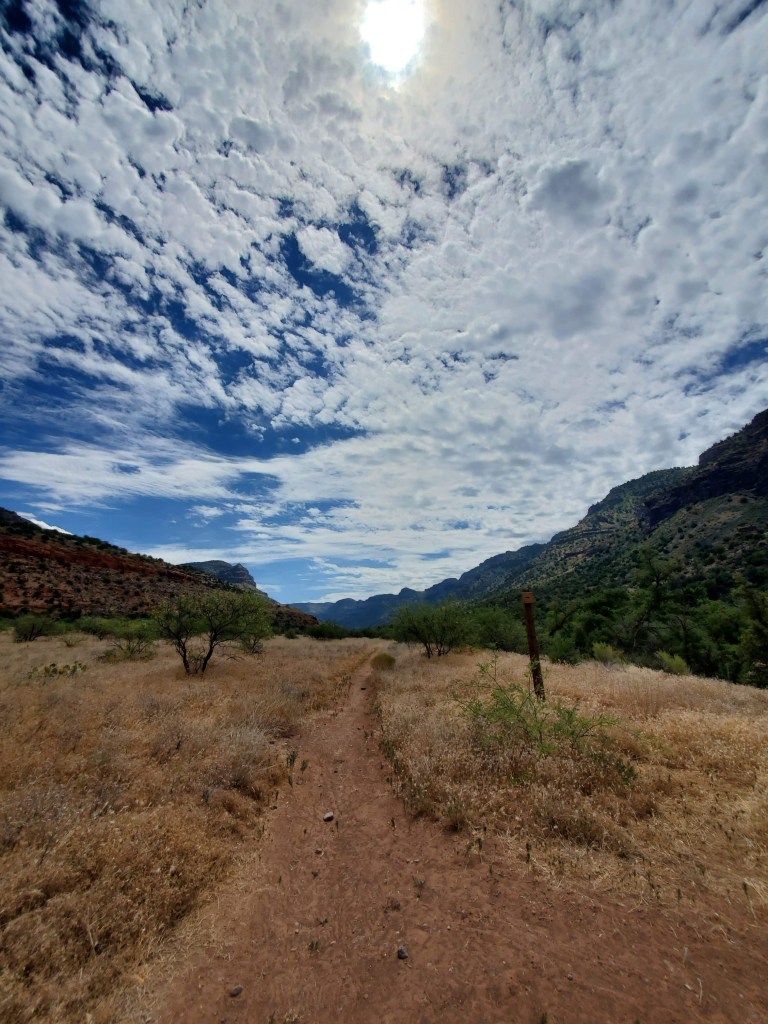
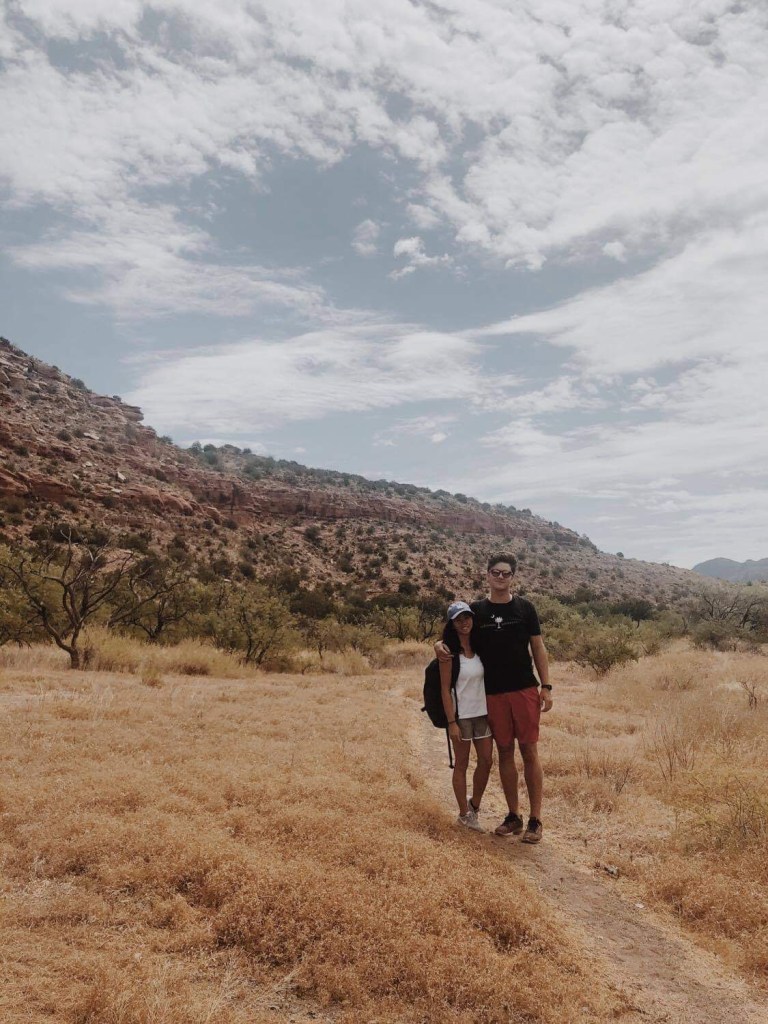
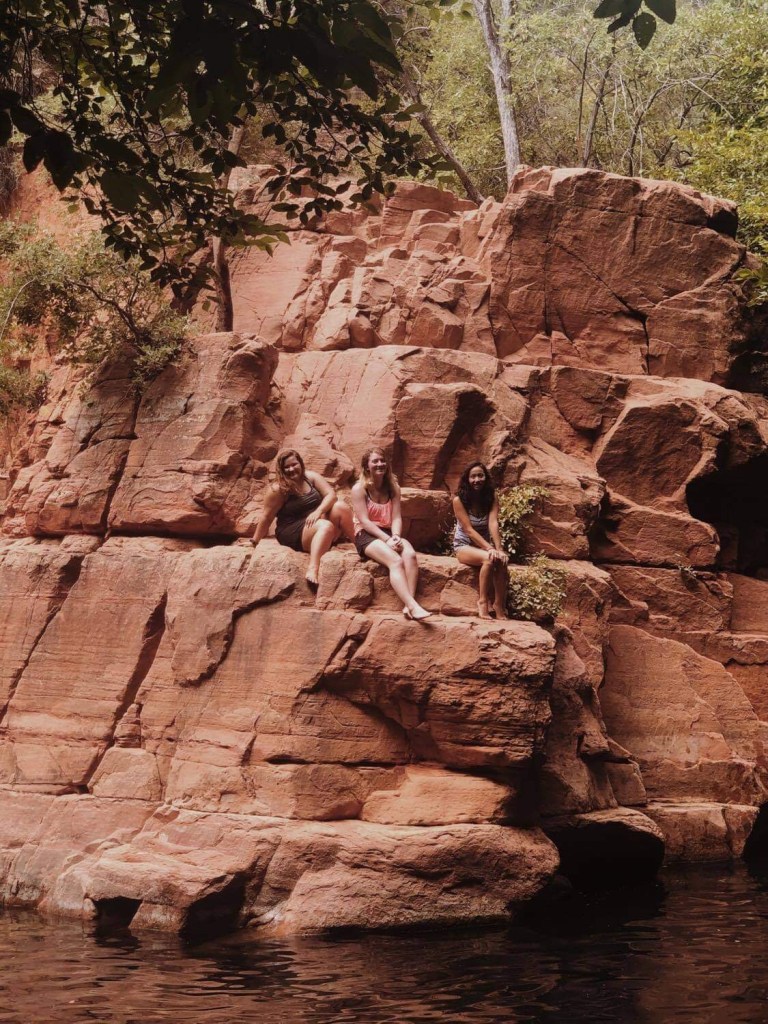
On July 16, Aleisha and I took some friends to the Bull Pen Swimming Hole, a lovely place near Camp Verde. We used directions found on this website to get there, but we had some trouble finding our way. Below are pictures of our excursion as well as directions on how to get there. The swimming area is lovely, there’s a 20 foot jumping rock, and the hike is less than 1 mile.
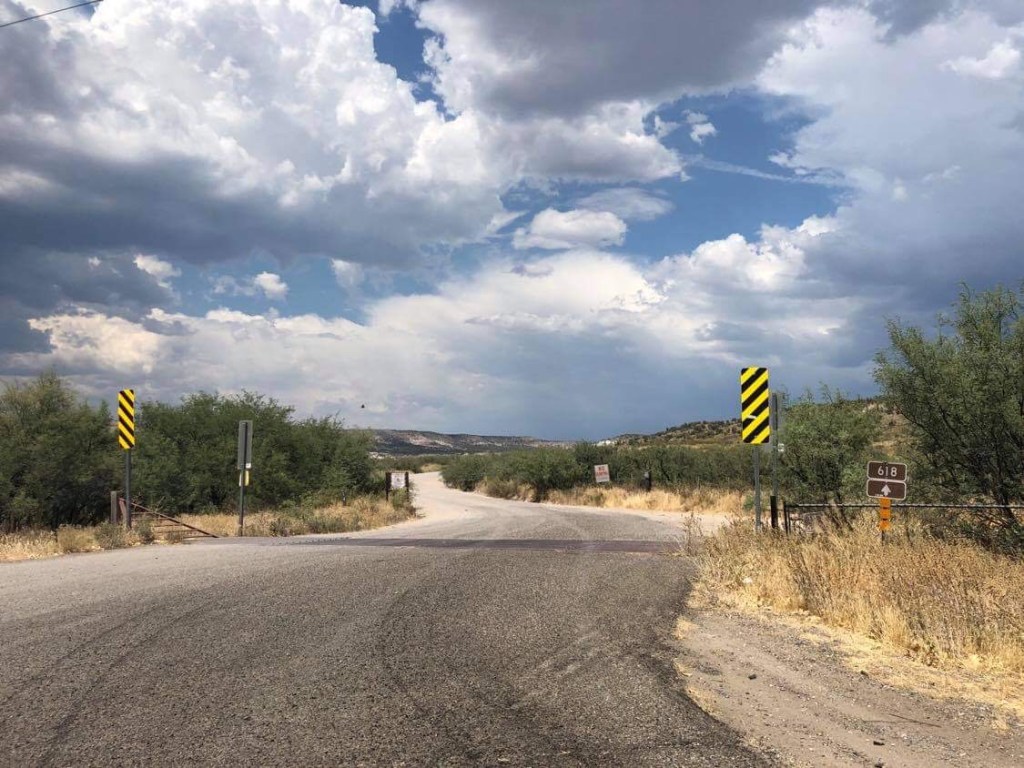
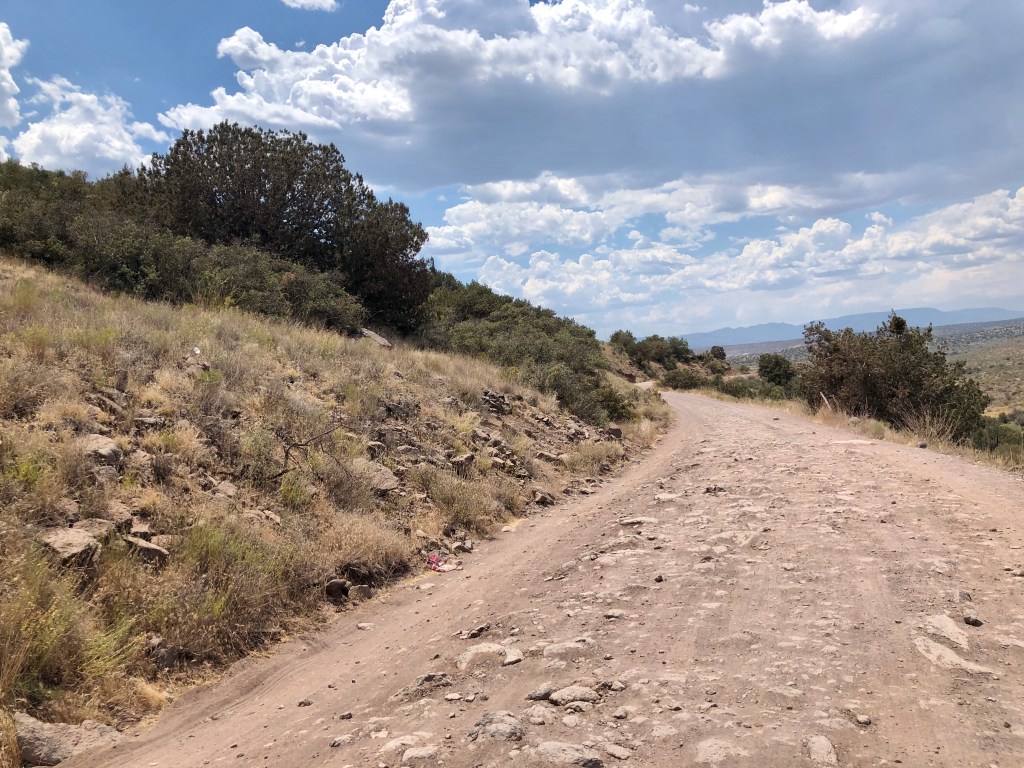
If you search “Bull Pen Day Use Area” in your maps, your phone will take you where you need to go. The dirt road is pretty rough, lots of rocks and uneven ground. It took us 30 minutes to drive the 5.2 miles back in our Honda Accord. A bigger vehicle would’ve been nice. The entrance looks like this. *there’s a “618” marker on the right*
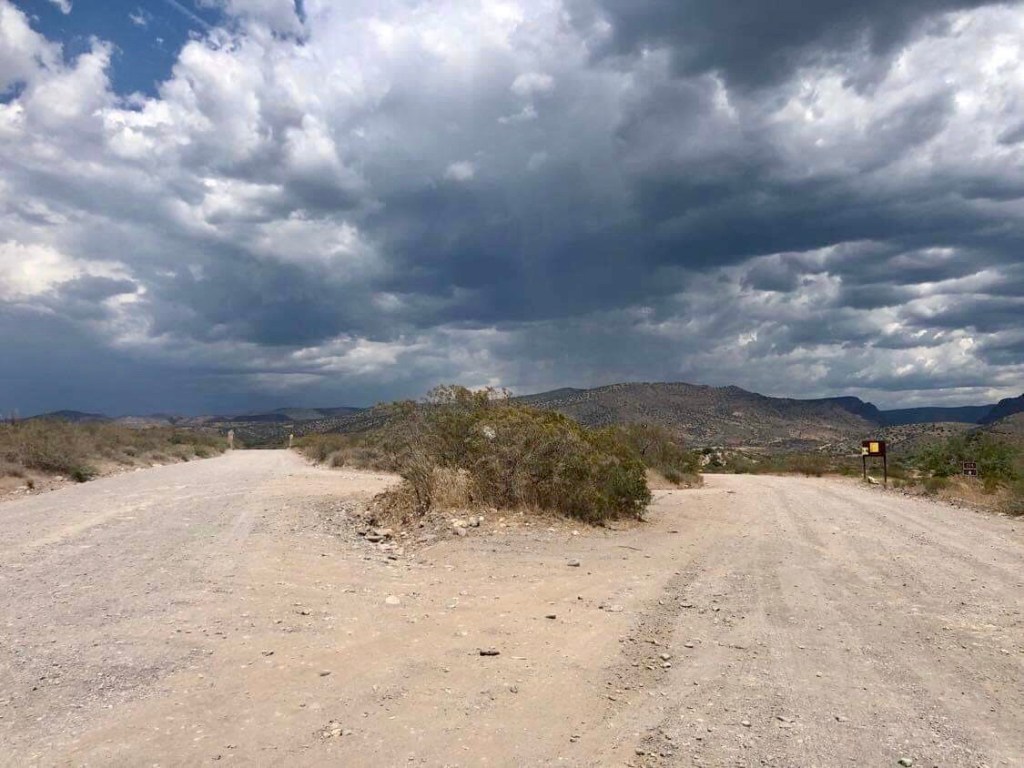
Drive on this road for 2.18 miles until you come a clear fork in the road. Take a right.
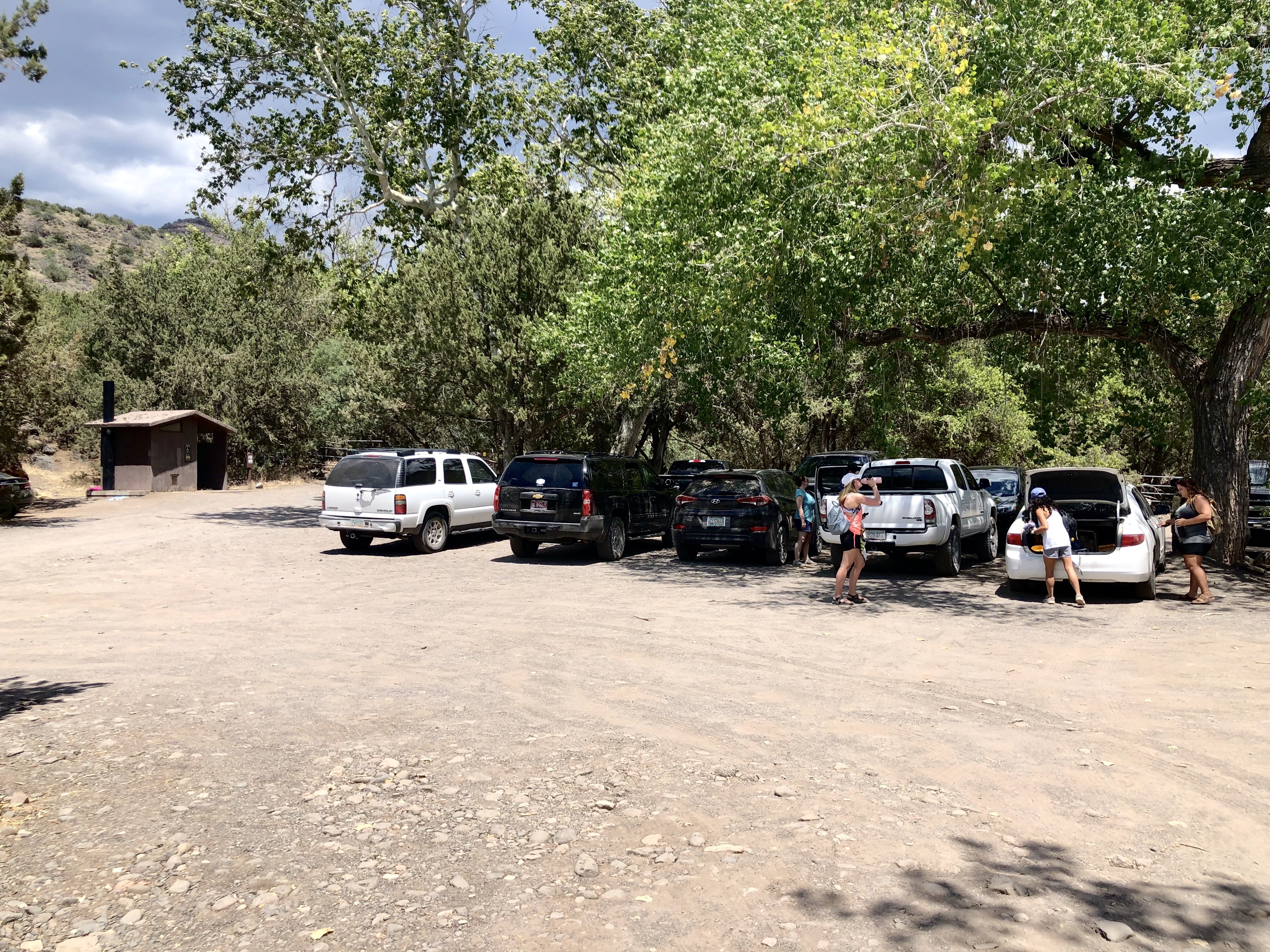
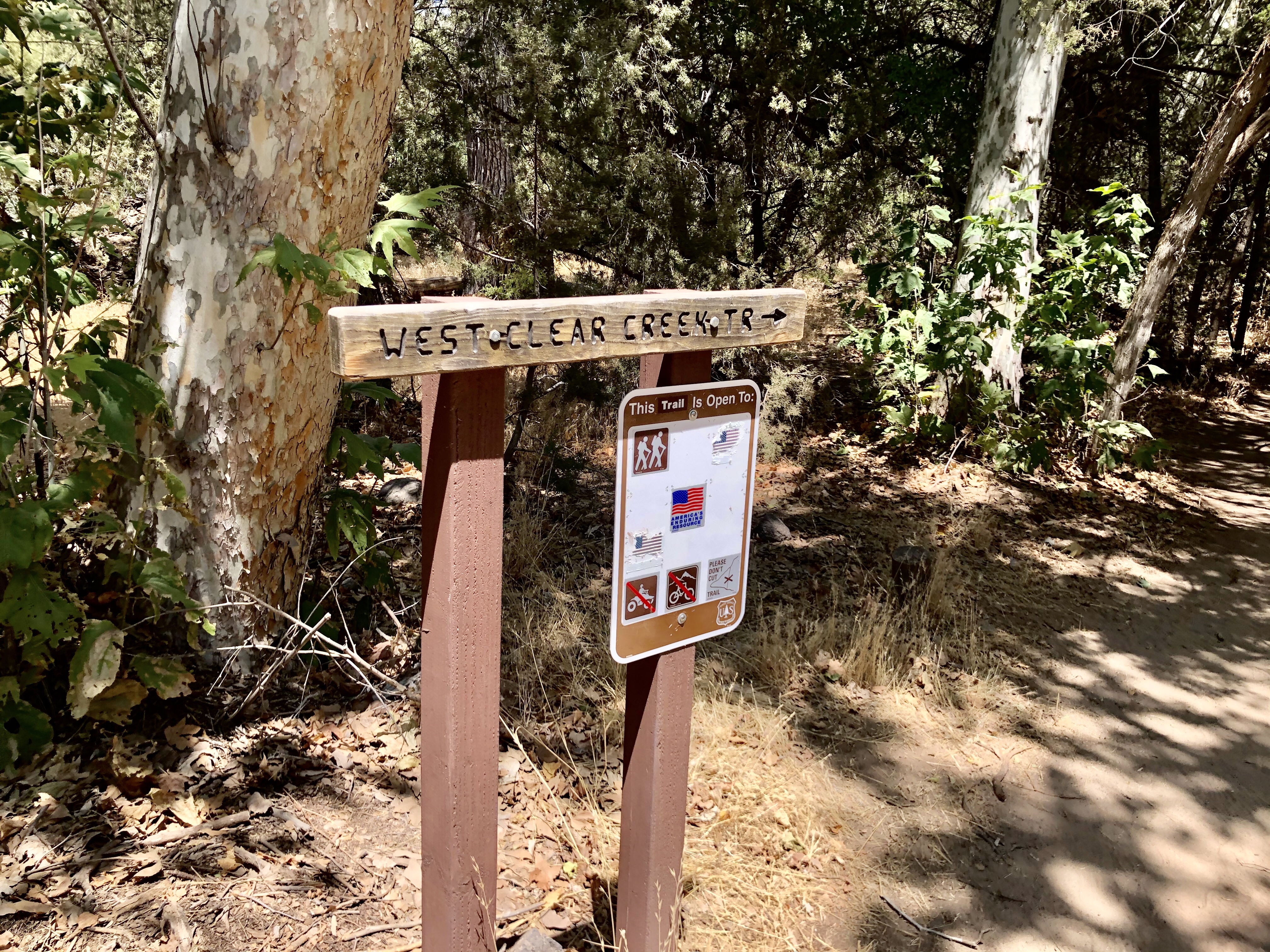
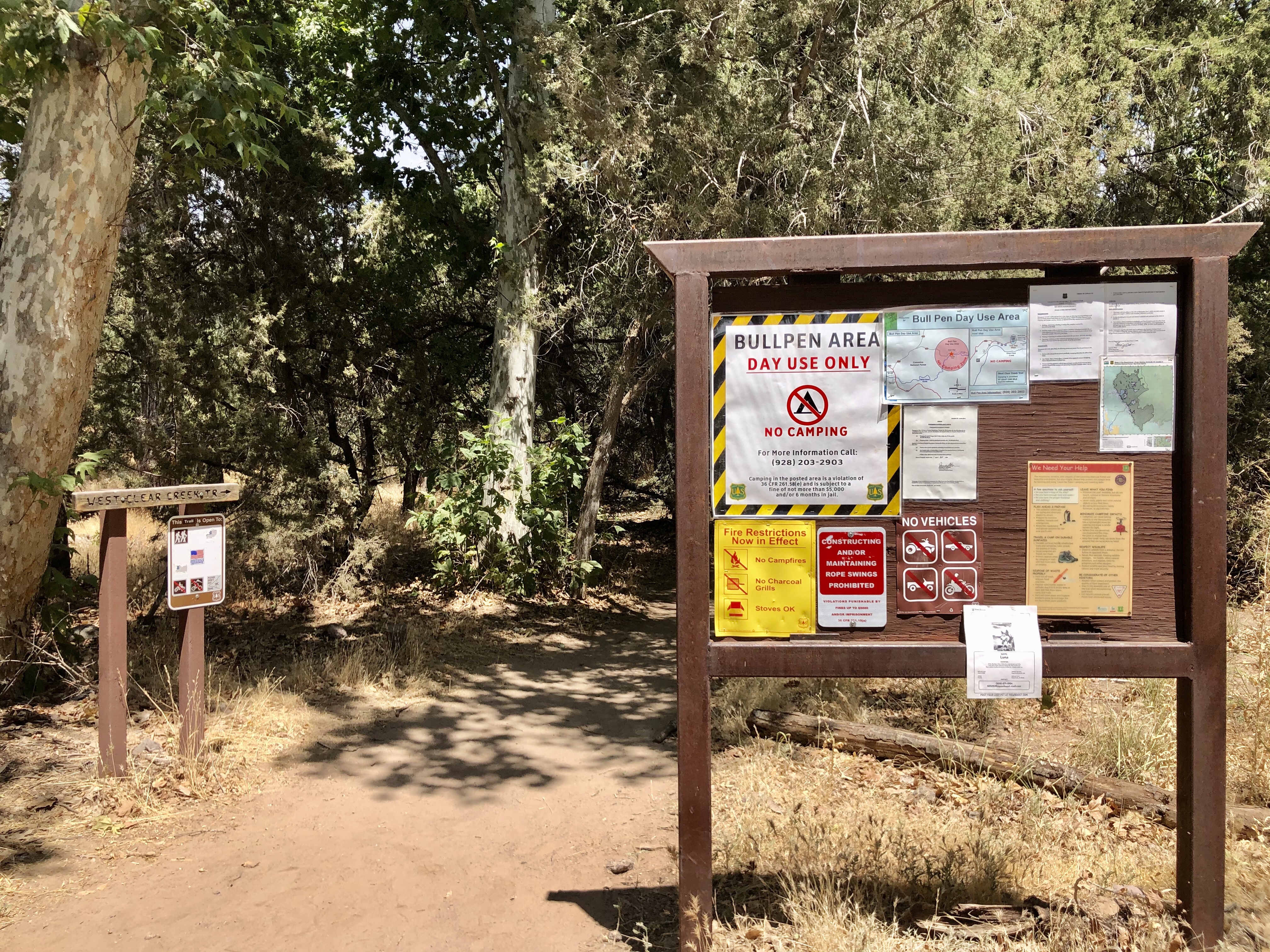
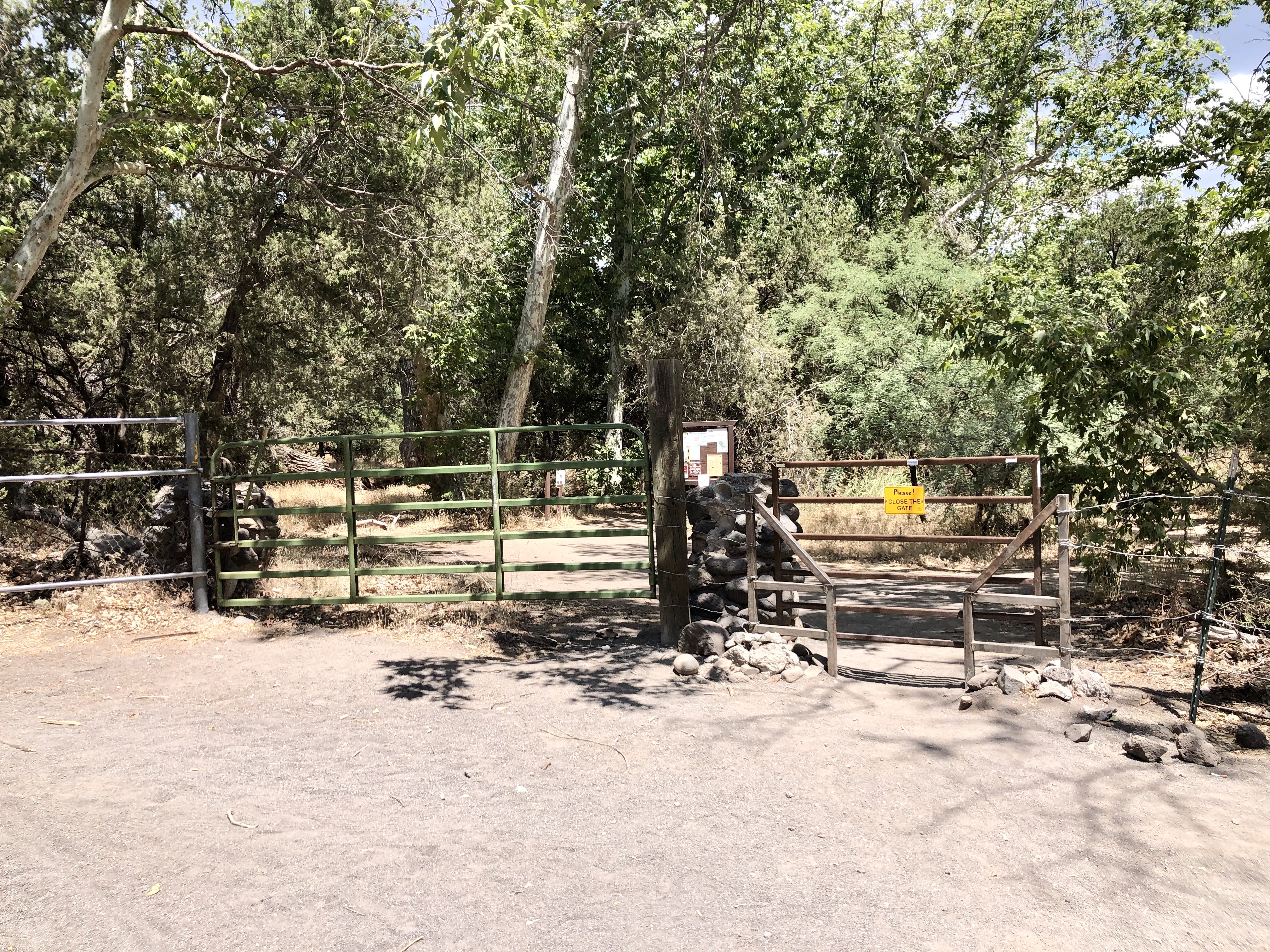
Then continue for another 3.1 miles until you reach a large parking lot. Do not stop driving until the road ends. It’s tempting to pull off too soon. The parking lot and trail head look like this, and there’s a very large gate by the entrance of the West Clear Creek Trail. That’s the trail you want.
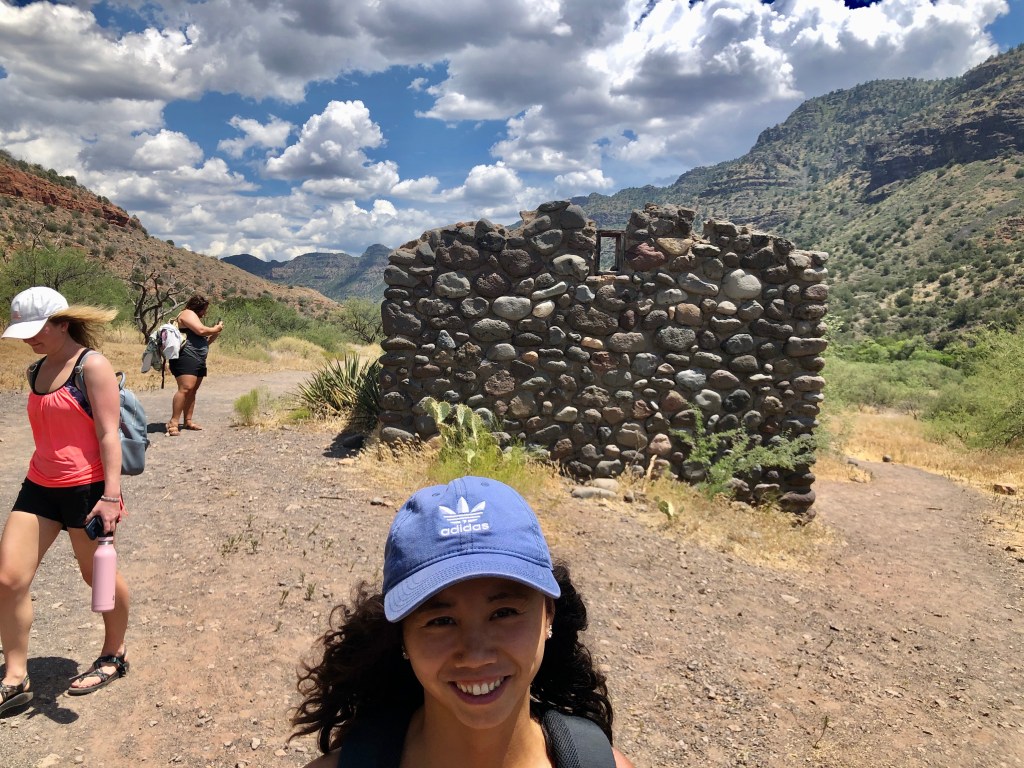
You need to continue on this trail for 0.64 miles until you see a stone structure. You’ll be hiking upstream, but several hundred yards from the river. Take a right only once you’ve reached the old stone house. This will take you towards the river.
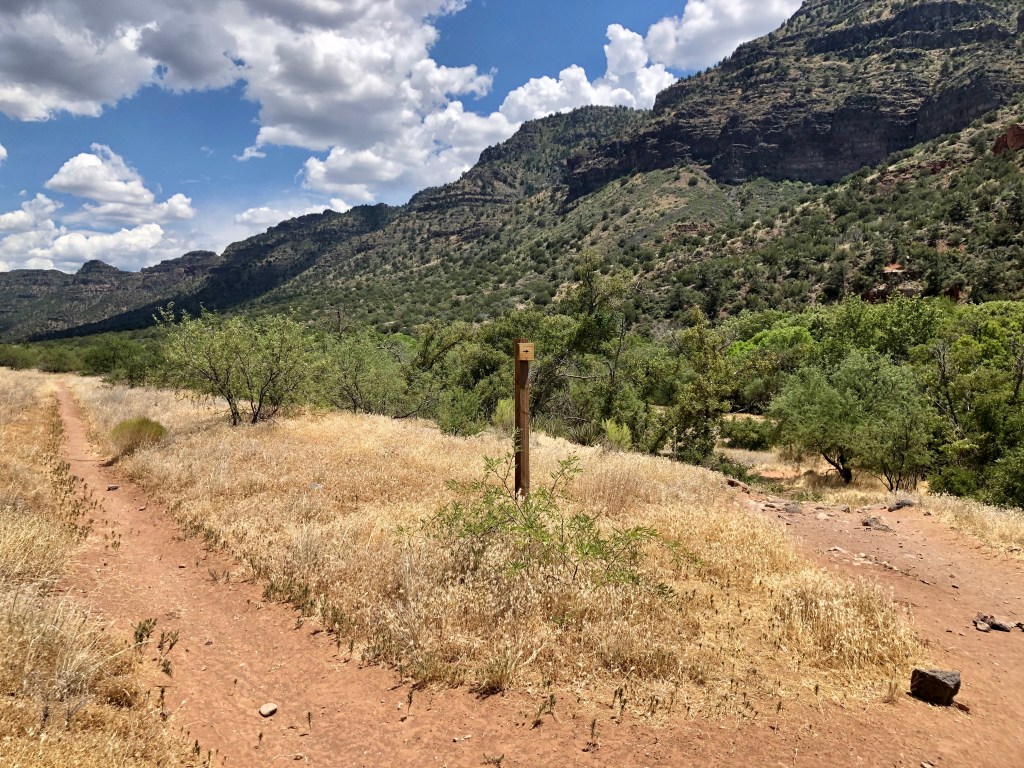
This continues to a fork in the trail which is marked with a sign. Follow the sign’s arrow to the right.
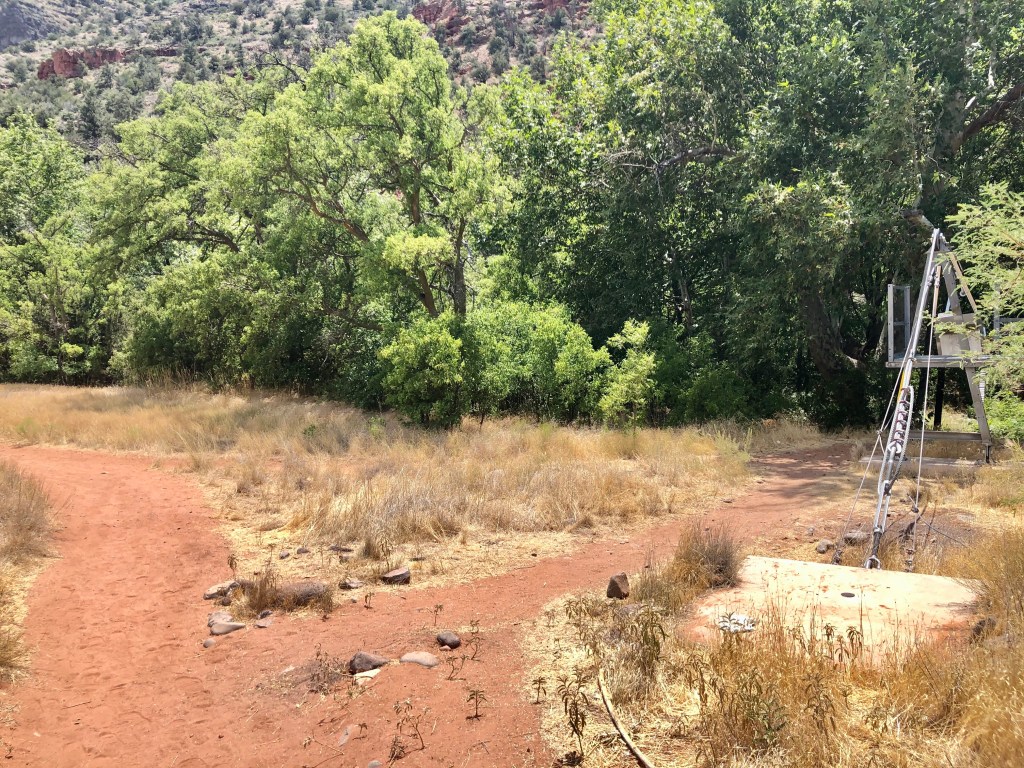
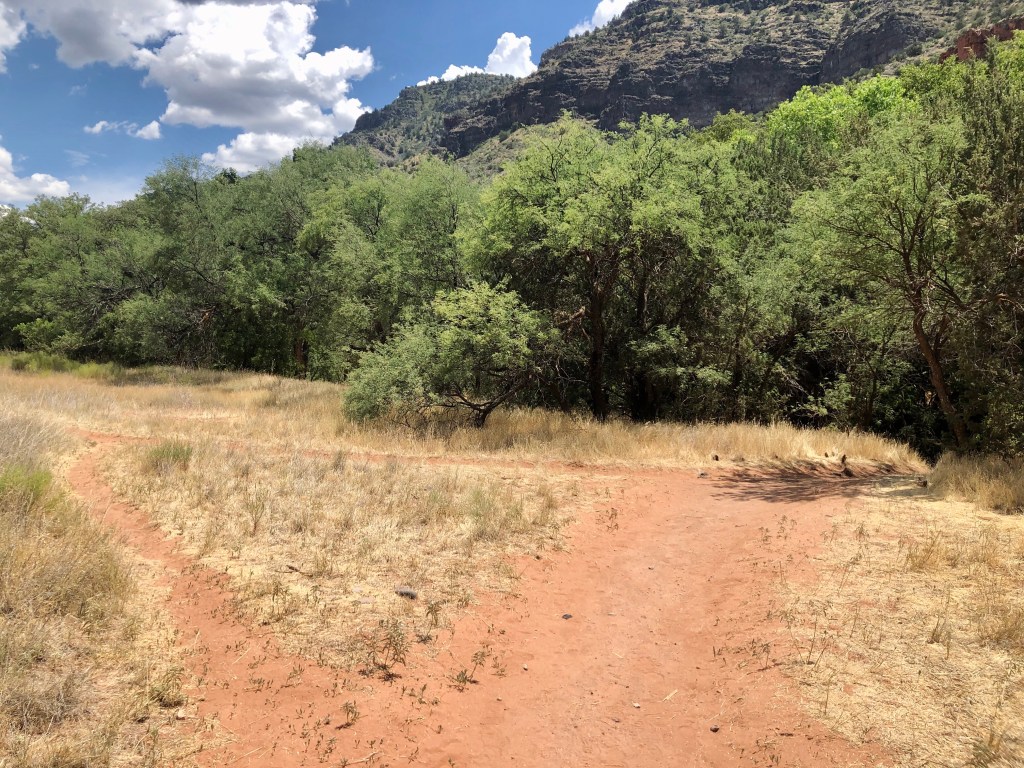
You’ll soon see a piece of metal equipment and then a trail split. Stay right at both places, towards the river.
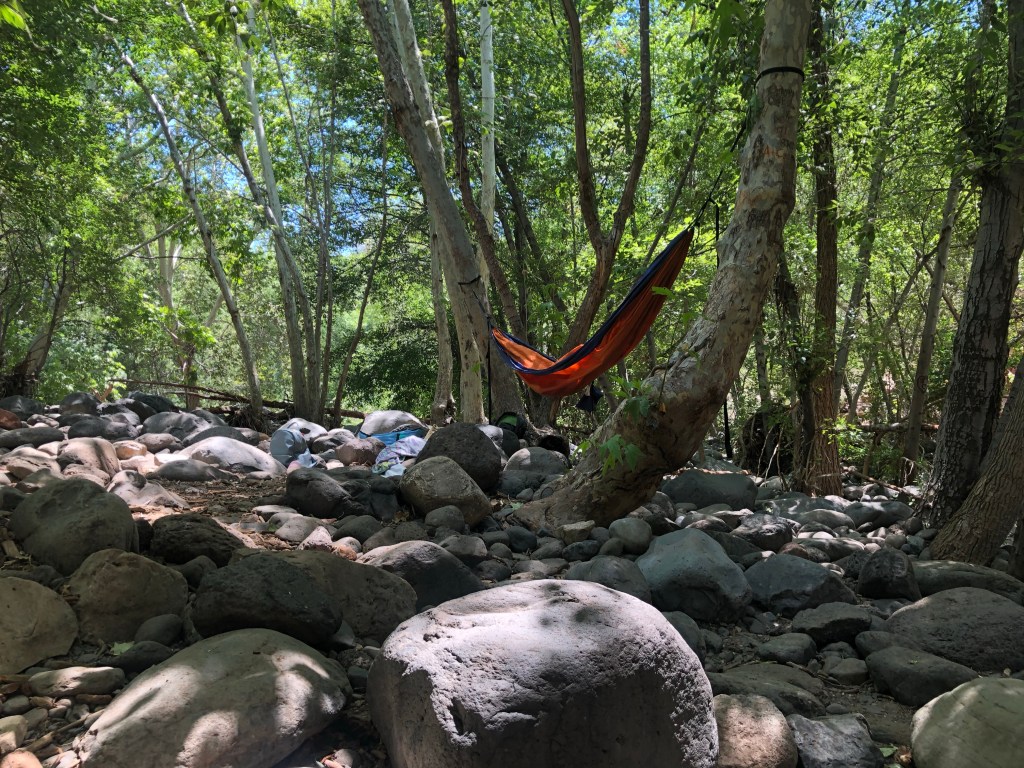
And then feast your eyes upon the beautiful Bull Pen Swimming Hole!
This is a great summer hike! The swimming hole and surrounding area is shaded, and there’s plenty of room to spread out food, hammocks, etc. Plan on a half hour to drive in and then 20 minutes to hike.
It’s becoming clear we’re in the throes of a national crisis. And the conversation surrounding race and racism has completely nullified all other conversations. It’s not in the spotlight – it is the spotlight. It’s the sociological filter of every piece of communication, new and old. Perhaps there is still a presidential race going on, but we’ve forgotten. We’re facing a collective reckoning, or at least participating in some part of one.
In the course of the past week, I may have been exposed to the Corona virus – so as I await test results, I’m doing a lot of thinking (and scrolling on my phone). The internet never ends. It’s not like reading a book. And we’re searching for answers, trying to put forward summations that don’t exist. The “truth” about what’s going on, the “right position” doesn’t really exist. This is way too complex.
At the forefront of the conversation is the debate about what to do with old white people. What to do with the dead, white founders of southern universities; what to do with statues of the Confederate war heroes; and even what to do with Flannery O’ Connor. Pieces of granite who have been fondly celebrated for decades find themselves smashed, painted over, or draped in flags burned in effigy. Some call it cancel culture. If a historical figure or piece of art can be shown to be racist, it gets “cancelled,” thrown out.
Generally, I’m on board with removing Confederate statues.Why commemorate those who valiantly fought for such an evil way of life? Through I get the sense that isn’t all they were fighting for. The rather obvious problem is “when to stop.” If society of America past and its citizens operated from an openly racist framework, it’s only plausible to rip up every piece of granite older than 100 years. And then you could root out the CEOs (just happened to Crossfit), and down the chain.
It is a logical progression so long as the question of racism dominates all other concerns. Our charge against men and women of old is their sin of racism; they judged themselves to be superior and used their power to hold down other people. They played God an took dignity as if it was their’s to take – they judged life and pronounced the fate of people groups. They said If you are not white, you are not human, or are less human, etc. They took the seat of the judge, made themselves God.
The irony is of course readily apparent. Contemporary society has chosen one variable, racism, and judged our ancestors by their failure or success on this test. Lives, even history itself, have been subjected to our judgement. We have become God, drawing lines through anything that fails the test. Virtue has been stripped down to one criterion, “Was this person a racist?” And if they were, they get axed. We have become gods ourselves, little despots in their image.
It only leaves me to wonder what criteria our children and grandchildren will judge us by. When I’ve been laying in my grave a few decades, or heck, made into a statue, why will I be hit with graffiti? Perhaps for my treatment of the poor – I ignored beggars and contributed to systems which kept them destitute. Or my treatment of women: I had a wife whom I forced to prepare my food (or maybe I “got married” at all). I drank coffee harvested by underpaid laborers. More likely, it’s something I can’t recognize because it’s such a part of my sinfulness.
Our country is in the throes of reckoning. Perhaps it’s one we need. Our white ancestors deified themselves, played God, failed horribly to love one another, and created systems which held their neighbors to a low status. And while we raise the gavel and give them the blows they deserve, I find myself glancing over my shoulder.
If and when our descendants come for us, we’ll be just as helpless as these statues – standing there still as stone, unable to ask for the forgiveness they need.
This is a video showing what our wedding looked like from the clouds. A friend of ours named Melvin used his drone to film the day before and day of our wedding. The photos are by Lauren Straman – a photographer we highly recommend!
This film review was written for and published by FilmFisher, you can also read it on their website.
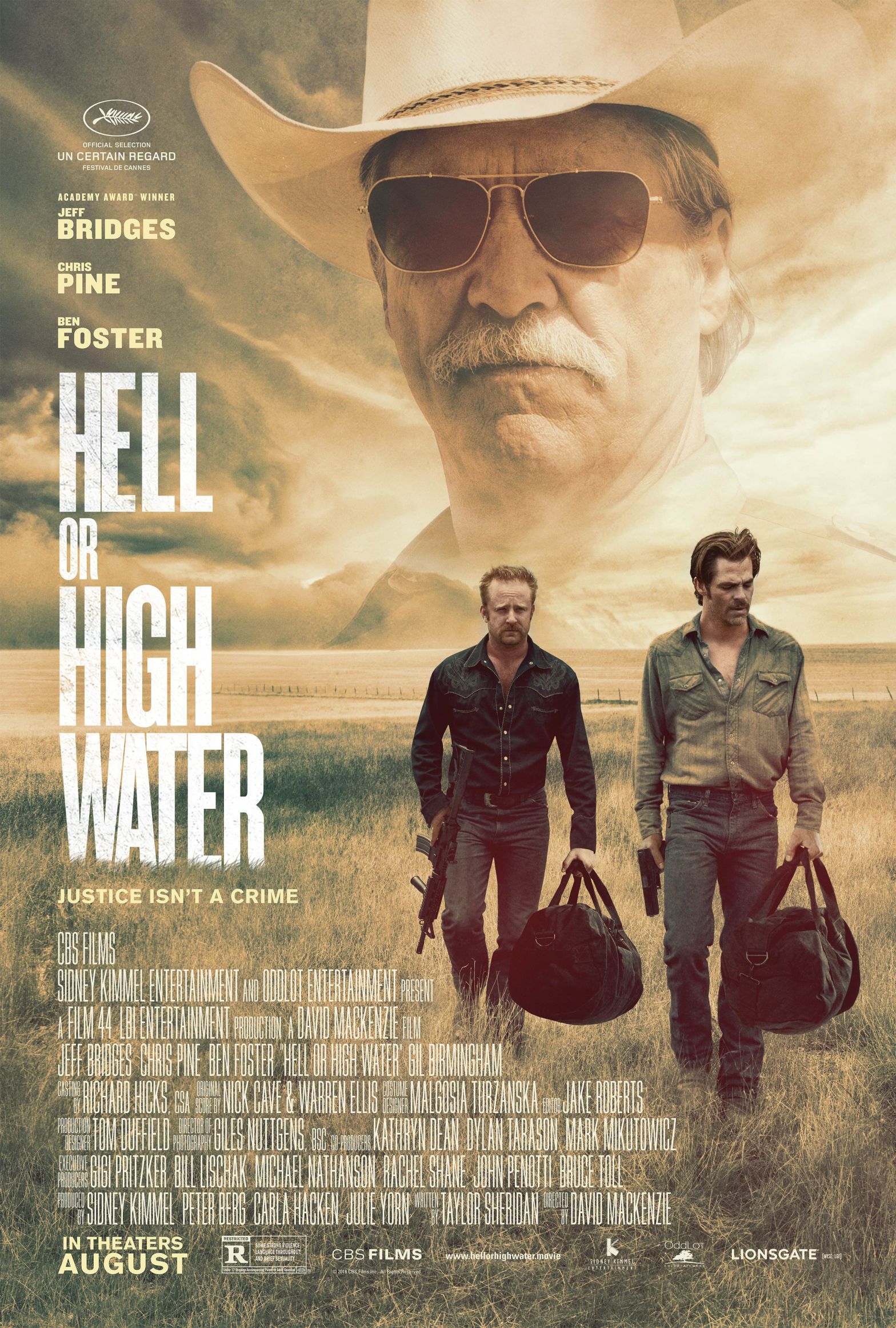
While the wild west has certainly evolved in the past two hundred years, Hell or High Water evokes the power of romantic frontier stories. This contemporary west is a stage for gunfights and thunderstorms as well as casinos and car chases. It’s a west where cowboys carry smartphones and drive new trucks, but also wear six shooters and cowboy hats. Hell or High Water brilliantly rides the line between family centered melodrama and frontier action film. By reaching into both genres for narrative elements, it tells a story which is appealing and meaningful on many fronts.
Scottish director David Mackenzie said of the film, “Although it’s very Texan, it’s also quite universal.” The protagonists wear checkered flannel, drive a square-body pickup, drink black coffee in a diner, and fight against an oppressive banking system. The portrayal of the Midwest settles between humorous and respectful. It appears every single pair of walking legs is carrying a gun and every billboard on the highway concerns getting out from underneath the weight of bureaucratic banks and oppressive loan agreements. Still, these citizens are shown as people who deeply love their town and will not hesitate to sling some lead on its behalf. The heroes are low-mimetic, wielding love and guns, not superpowers. And in this regard, the film’s appeal is quite broad.
Melodramas examine the virtues and vices, lengths and limitations of ordinary life by holding it up to the scrutiny of a larger stage. By thrusting ordinary people into extraordinary circumstances, they ask, “What does it mean to be human?” Hell or High Water answers that sometimes it looks like brothers resorting to desperate measures to protect family and heritage, and sometimes it looks like staving off retirement to bring wild men to justice. The dance may be action-packed, but the real confrontation takes place within the minds of the characters. Films like Hell or High Water uniquely situate characters to contend with themselves internally as persons whose beliefs are upheld at great cost. And there is also space for movement, room not only to uphold values, but also to allow oneself to be transformed.
Hell or High Water follows two sets of duos, a pair of bank robbers and a pair of lawmen. Each set of characters functions as a separate thread of the narrative until they merge for a showdown in act three. Toby and Tanner Howard (Chris Pine and Ben Foster) are the bank robbers, running from rangers Marcus Hamilton and Alberto Parker (Jeff Bridges and Gil Birmingham). Even with this classic outlaws and lawmen setup, the film doesn’t draw clear lines between good guys and bad guys. Instead, it poses larger questions about justice, retribution, and redemption. And in this space, we can sympathize with both the rangers and the bank robbers.
Toby and Tanner are average, ordinary Texas men who are placed in extraordinary circumstances (though the billboards on the interstate constantly advertising to people about getting out of debt suggest their dire circumstances are rather common). Tanner masterminds the plan to rob banks only so he can keep the bank from taking the family farm. It’s clear these two are not professional criminals – they are novice bank robbers to say the least. This film places two men in a corner, with the future of family at stake, and asks, “What do men like these do in times like this?” Times when people still herd cattle and walk around with six-shooters, and all in the shadow of banks that have been robbing them for years.
Marcus and Alberto are a duo of west Texas lawmen assigned with exacting the measure of the law against a bank robbing, farm saving duo. Their strange relationship is laced with biting humor but also underlined by mutual respect. For this film to work, the law has to be incarnated by honorable, likable men. Jeff Bridges and Gil Birmingham play their roles remarkably, and they allow this film to inhabit the dramatic tension between cheering for the outlaws with a good cause and empathizing with the rule of law which must bring them in.
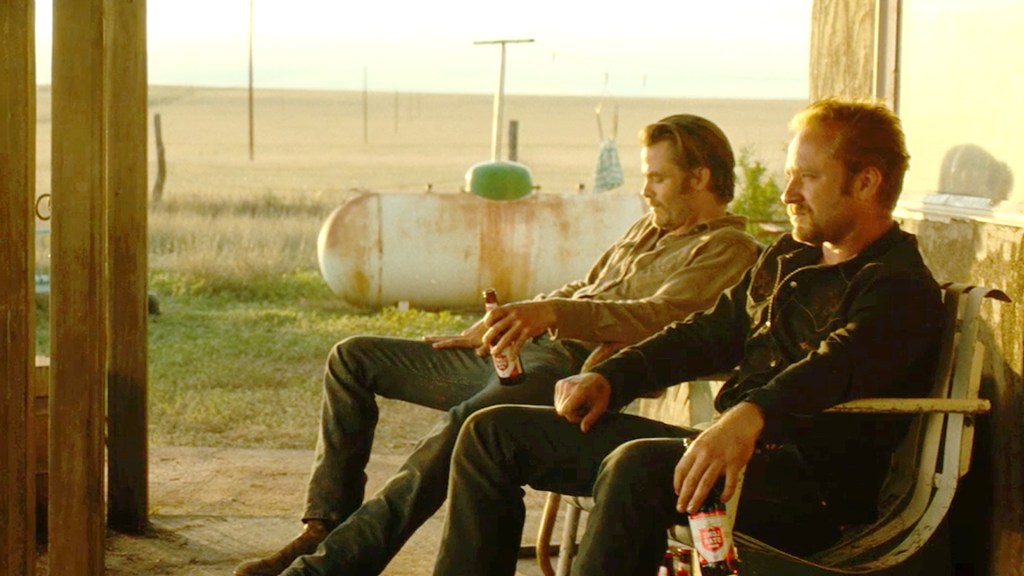
One of the film’s best elements is its use of tropes within both narrative strands. Each of the duos is characterized by a clear leader – it’s Toby who came up with the bank-robbing scheme, and it’s Marcus who leads the charge against him – and both are paired with a sidekick. In the case of the rangers, the trope is obvious, a cowboy and an Indian, and one which Marcus takes every opportunity to note. He constantly provokes Alberto with jabs about being part Indian and Mexican. Beer also functions as a trope within Toby and Tanner’s relationship. Tanner doesn’t shy away from pain, but he needs something to cut the harshness of his reality. He’s been rejected by his father, he’s killed a man, he’s lived a hard life, and he’s drinking at every turn. On the other hand, Toby is hesitant to drink. He’s trying to figure out how to be a parent and a cooperative ex-husband.
Romantic relationships also serve as a trope Mackenzie uses to get the audience acquainted with his characters. Tanner hits on women in the casino lobby and has a one-night stand in a hotel room while Toby lies awake, back turned. His casual sex is an expression of the shallow nature of most of his relationships. In contrast, Toby is twice approached by women who are interested in him, and twice he must turn them away; he’s a bank robber, but he’s also trying to be a decent man and a decent father. Despite his attempts, Toby’s ex-wife is cold towards him and cuts off attempts at reconciliation.
The mythology of any culture is constructed in binaries, clear distinctions of good and evil. Films like Hell or High Water are valuable in their ability to both lend insight into and rearrange these binaries. They construct tensions inhabited by characters who must navigate them or die trying. This film incorporates established cultural motifs (outlaws and lawmen, farmers and banks, cowboys and Indians), but doesn’t force obvious, tired conclusions. These motifs are contrasted and paralleled. While the bank robbers’ narrative is certainly more action-packed, it doesn’t outpace the lawmen’s side of the story. Mackenzie’s storytelling incorporates the best elements of the melodrama and action film, culminating in a wonderful cinematic trip through west Texas.
We got into Phoenix last week around midnight on Saturday night after a very long day of traveling from Oklahoma City. We get to stay this beautiful, fully furnished home, the owners of which are a law professor and a speech therapist who are traveling as a family during summer break.
We’ve both grown up in very rural areas – the kind of thing where you’re accustomed to driving a half hour to eat or go shopping. Transitioning to life in Phoenix has been (and will be) fun. Hundreds of restaurants and coffee shops sit within just a few miles. But it’s also a very sprawling city, so we get the benefits of urban life and still have a yard on a peaceful street; a small yard – right now, we’re sharing a push-mower between three families.
This morning, Aleisha and I took a bike ride into central Phoenix. There are amazing murals painted on walls all over the city. We stopped for a drink at Songbird Coffee and Tea House, and then peddled through the eerily vacant streets and passed broken windows boarded over with plywood where protesters would gather again after dark. From our house we can see the helicopters whirring around the gatherings, just a mile or so from our house.
Aleisha rocking her Chai and a perm.
Our Work
I grilled things.
Caleb and Stephanie Reed are the directors at Aim-Right Ministries where Aleisha is interning for the summer. They’ve been serving with Aim-Right since 2008, and we get to live in the house right across the street from them. Last night, we had them over to our place for a kabobs; we’ve been making a lot of good food this week – mostly I just do what Aleisha tells me, and it works out pretty well.
Stephen and Nicole Franke are the founders of UnitePHX where I’ll be interning for the summer. In the past, this ministry has served as a connecting volunteers with organizations who need help. On the second Saturday of each month, Unite PHX brings people together for a breakfast, they listen to the various “pitches,” and then decide where they want to serve for the day. Covid-19 has shifted operations. So instead of bringing a group of volunteers together and sending them out, we’re hoping to move the process online – this way projects could happen anytime and anywhere. It will require a lot of website design work, and that’s what I’ll be focused on to start with.
Our Vibes
I remember trying sparkling water for the first time and how much I hated it. Somehow I’ve comet to love the stuff and have taken to drinking about 3 cans a day. There’s a La Croix beside me now, and our fridge is stocked with several others brands, but our favorite is the Aha in the orange + grapefruit flavor. I convinced Aleisha, who has always had straight hair, to get a perm! It turned out really great – so now we’re both wavy on top. She’s also been making some really cool macramé plant hangers which you could snatch up on Instagram.
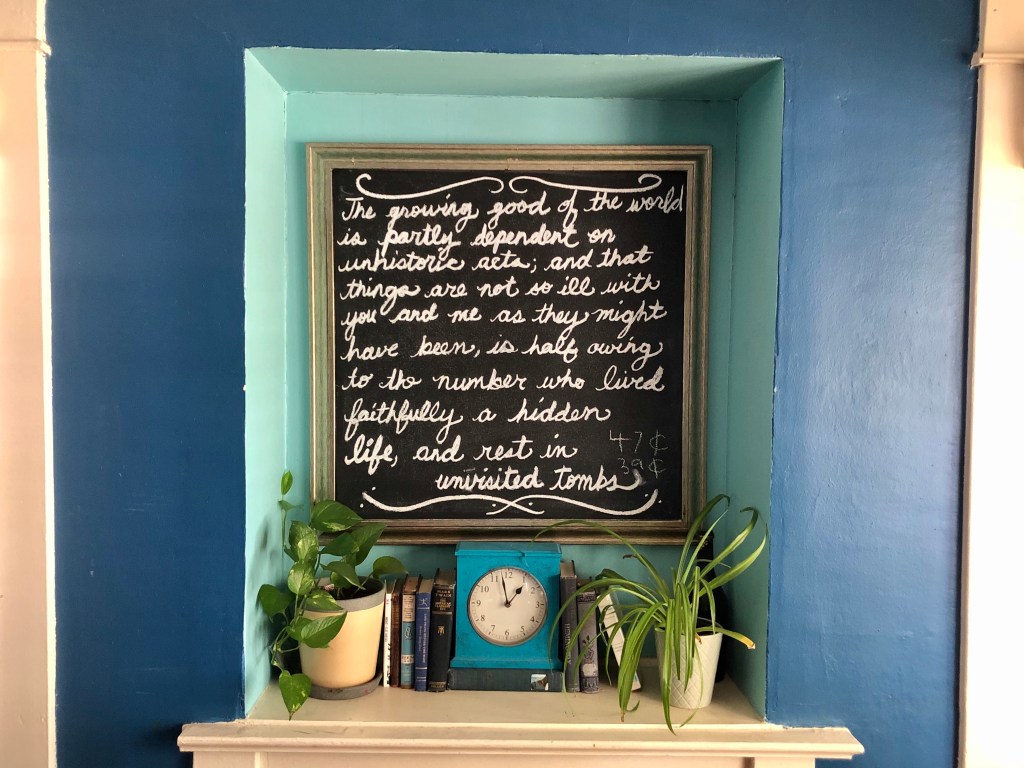
One of my favorite things in this house is the sign in the dining room.
“The growing good of the world is partly dependent on unhistoric acts; and that things are not so ill with your and me as they might have been, is half owing to the number who lived faithfully a hidden life, and rest in unvisited tombs.”





















 javen.bear.