A ride through the neighborhood and downtown Phoenix. Use link, or click the image to see the video.

music: “Amazing Day” by Coldplay

A ride through the neighborhood and downtown Phoenix. Use link, or click the image to see the video.
music: “Amazing Day” by Coldplay
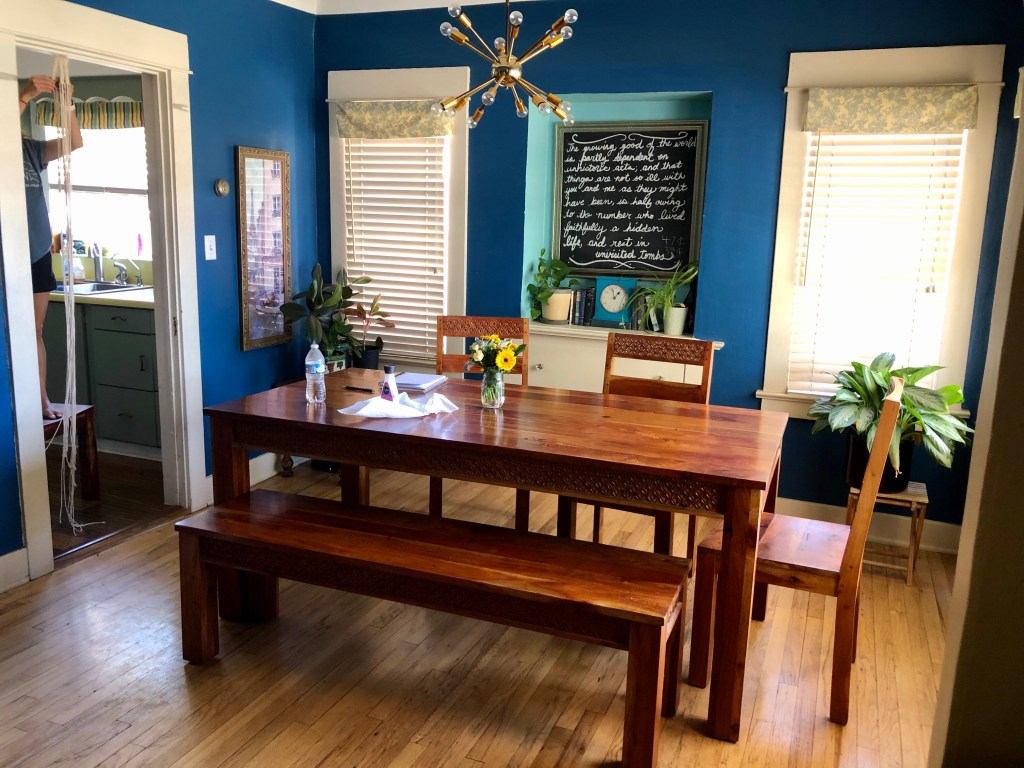
We got into Phoenix last week around midnight on Saturday night after a very long day of traveling from Oklahoma City. We get to stay this beautiful, fully furnished home, the owners of which are a law professor and a speech therapist who are traveling as a family during summer break.
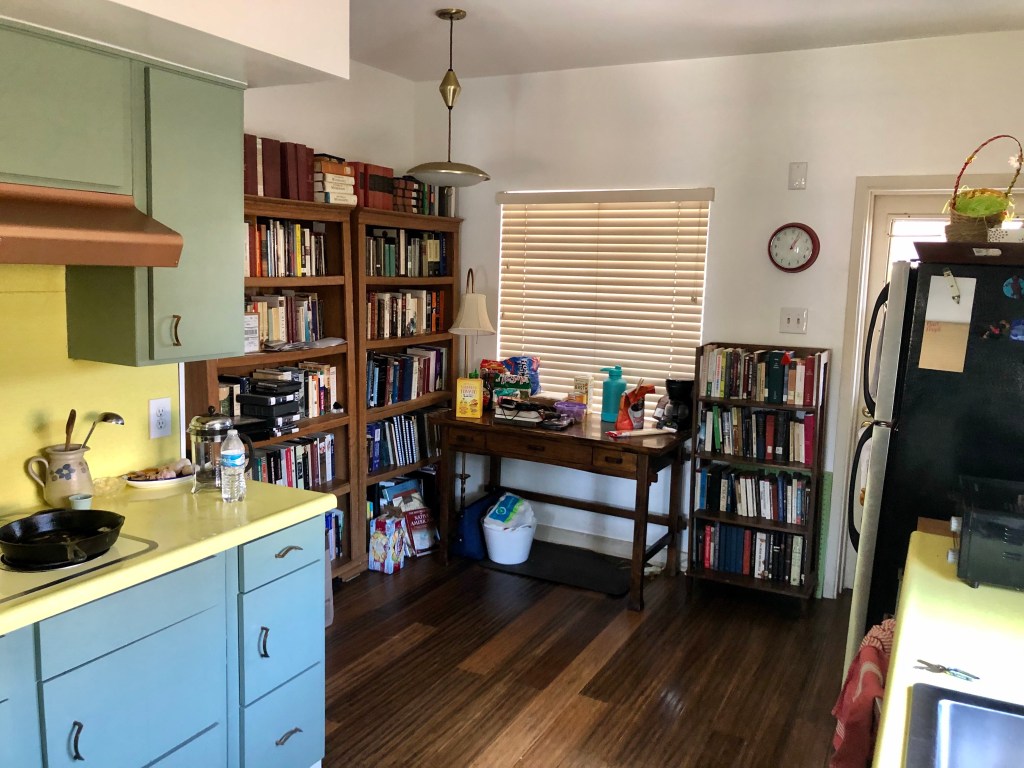

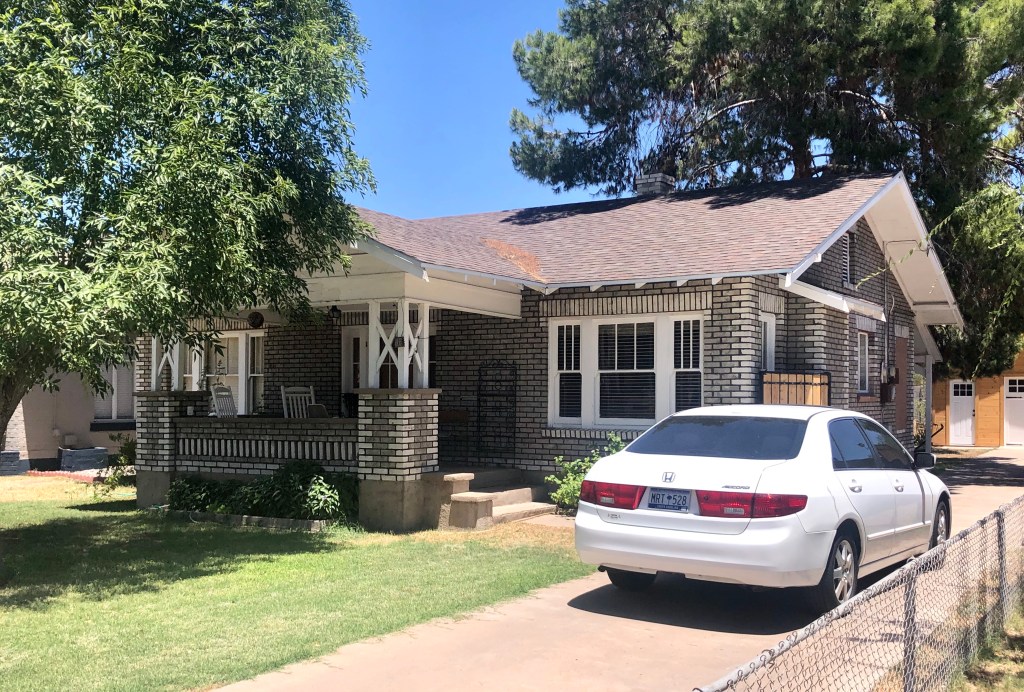


We’ve both grown up in very rural areas – the kind of thing where you’re accustomed to driving a half hour to eat or go shopping. Transitioning to life in Phoenix has been (and will be) fun. Hundreds of restaurants and coffee shops sit within just a few miles. But it’s also a very sprawling city, so we get the benefits of urban life and still have a yard on a peaceful street; a small yard – right now, we’re sharing a push-mower between three families.
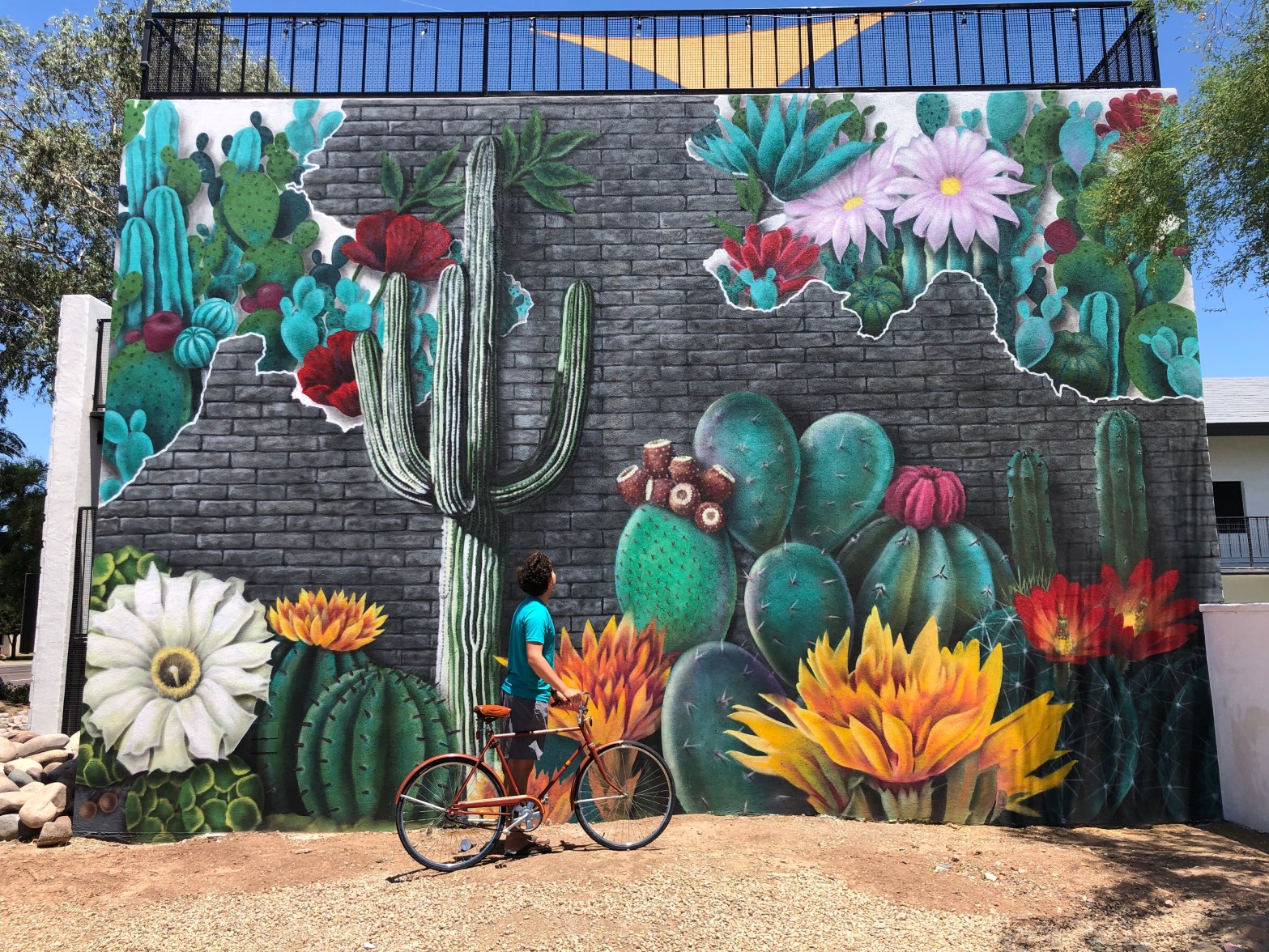
This morning, Aleisha and I took a bike ride into central Phoenix. There are amazing murals painted on walls all over the city. We stopped for a drink at Songbird Coffee and Tea House, and then peddled through the eerily vacant streets and passed broken windows boarded over with plywood where protesters would gather again after dark. From our house we can see the helicopters whirring around the gatherings, just a mile or so from our house.


Caleb and Stephanie Reed are the directors at Aim-Right Ministries where Aleisha is interning for the summer. They’ve been serving with Aim-Right since 2008, and we get to live in the house right across the street from them. Last night, we had them over to our place for a kabobs; we’ve been making a lot of good food this week – mostly I just do what Aleisha tells me, and it works out pretty well.
Stephen and Nicole Franke are the founders of UnitePHX where I’ll be interning for the summer. In the past, this ministry has served as a connecting volunteers with organizations who need help. On the second Saturday of each month, Unite PHX brings people together for a breakfast, they listen to the various “pitches,” and then decide where they want to serve for the day. Covid-19 has shifted operations. So instead of bringing a group of volunteers together and sending them out, we’re hoping to move the process online – this way projects could happen anytime and anywhere. It will require a lot of website design work, and that’s what I’ll be focused on to start with.

I remember trying sparkling water for the first time and how much I hated it. Somehow I’ve comet to love the stuff and have taken to drinking about 3 cans a day. There’s a La Croix beside me now, and our fridge is stocked with several others brands, but our favorite is the Aha in the orange + grapefruit flavor. I convinced Aleisha, who has always had straight hair, to get a perm! It turned out really great – so now we’re both wavy on top. She’s also been making some really cool macramé plant hangers which you could snatch up on Instagram.
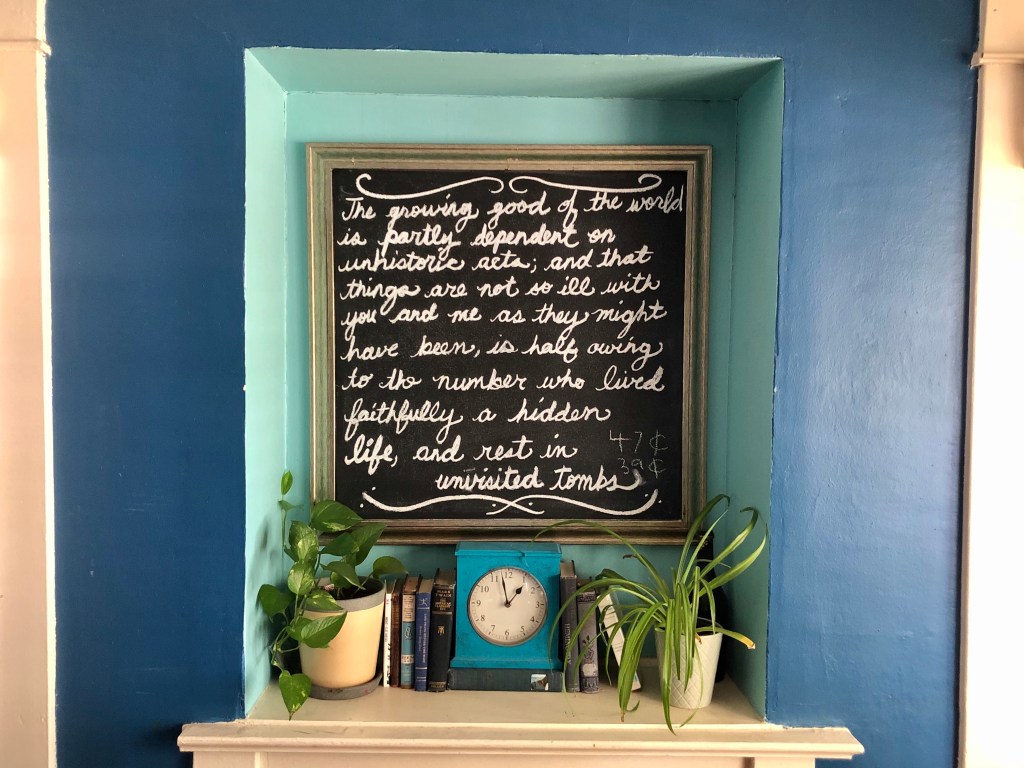
One of my favorite things in this house is the sign in the dining room.
“The growing good of the world is partly dependent on unhistoric acts; and that things are not so ill with your and me as they might have been, is half owing to the number who lived faithfully a hidden life, and rest in unvisited tombs.”
– George Eliot

My friend,
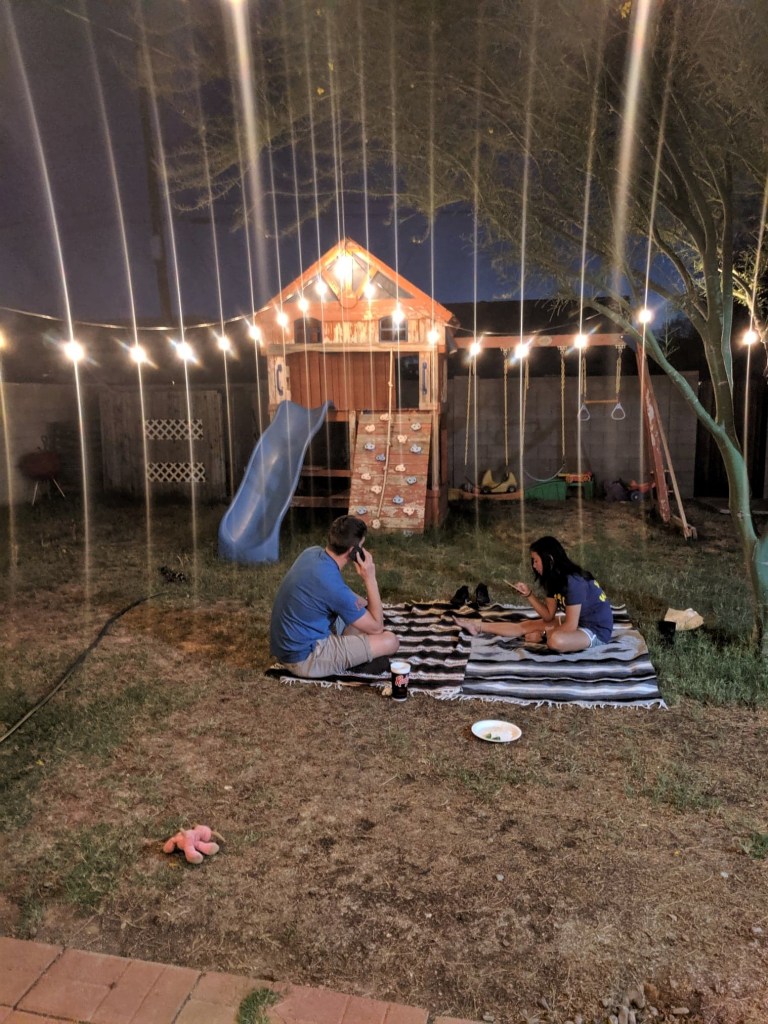
I remember sitting on a blanket in the backyard across the street after a phone call. 2,000 miles away your car had gone off course by 12 ft., and you weren’t breathing anymore; we were trying to keep breathing ourselves. I remember feeling like a slice of lime tumbled around in a glass, no control, no mechanisms to right myself or answer my questions.
Anyway, that’s been a whole ago year now. And you’ve missed one hell of a year, maybe you’re watching it, I don’t know. At night, we see helicopters flying over the protests in downtown Phoenix. Outside, there’s a virus and rioting – and inside we sit around thinking of how we might go about righting our collective self, a bunch of tumbling limes in an ocean.
I guess the thing I remember most about the night you died is the silence. Long pause in the phone conversation when he told me what happened. Long ride in a mini-van, long evening in a backyard trying to stomach the situation, long plane-ride home, long wait between funeral and burial. Long intervals in a tragic movement. I remember how hard it is to breathe when you’re trying not to cry, how tired your throat gets.
Yesterday, I was reading how the truth is sometimes silence.
“Truth simply is, and is what is, the good with the bad, the joy with the despair, the presence and absence of God, the swollen eye, [constricted throat]. Before it is a word, the gospel that is truth is silence, a pregnant silence in its ninth month…”
– Frederick Buechner (Telling the Truth)
And I don’t exactly know what that means, or quite what to hope for, or what to expect from God in his presence and his absence. I know that my work is to believe – to weigh everything bad, about your death, the rioting, the sickness, in the balance against that old story about everything being remade and healed up, and if the balance won’t tip, then to jump and grab ahold of it, lean on it with all my weight.

In the end, whether or not I see any movement, I must believe the good is going on, and coming. That the silences are indeed pregnant, that this unknowing is the ground on which the knowing will strike. And this tumbling is that which will again be turned right side up. And if I never see it, if I’m drowned or crushed, it will be like a lime, leaving something good until something better takes us all.
Anyways, I’ve gone on too long. We miss you. Tell the Lord to come soon. I’m sure we’ll talk soon, and in more than these weird dreams I wake from.
We went,
Across the green hills of Alabama
to a breakfast in Birmingham,
On the red roads of Mississippi
saw the house of Elvis in Tupelo,
Skirted the corner of Tenessee
and over the river at Memphis,
Through the open fields of Arkansas
on 412 until route 63 north,
Stayed with old friends in Missouri
saw a ditch of flowers outside the capitol,
Then into Tulsa and Oklahoma City
walked Bricktown and the hanging gardens,
By the windmills in the fields of Texas
standing tall like desert clocks,
Across the chest of New Mexico
felt three drops of rain in Encino,
Into Arizona in Navajo country
and down the mountain into Phoenix,
Our new home,
Breakfast with Holly near Birmingham, Alabama

We stayed the night with Travis and Christina Miller in Linn, Missouri

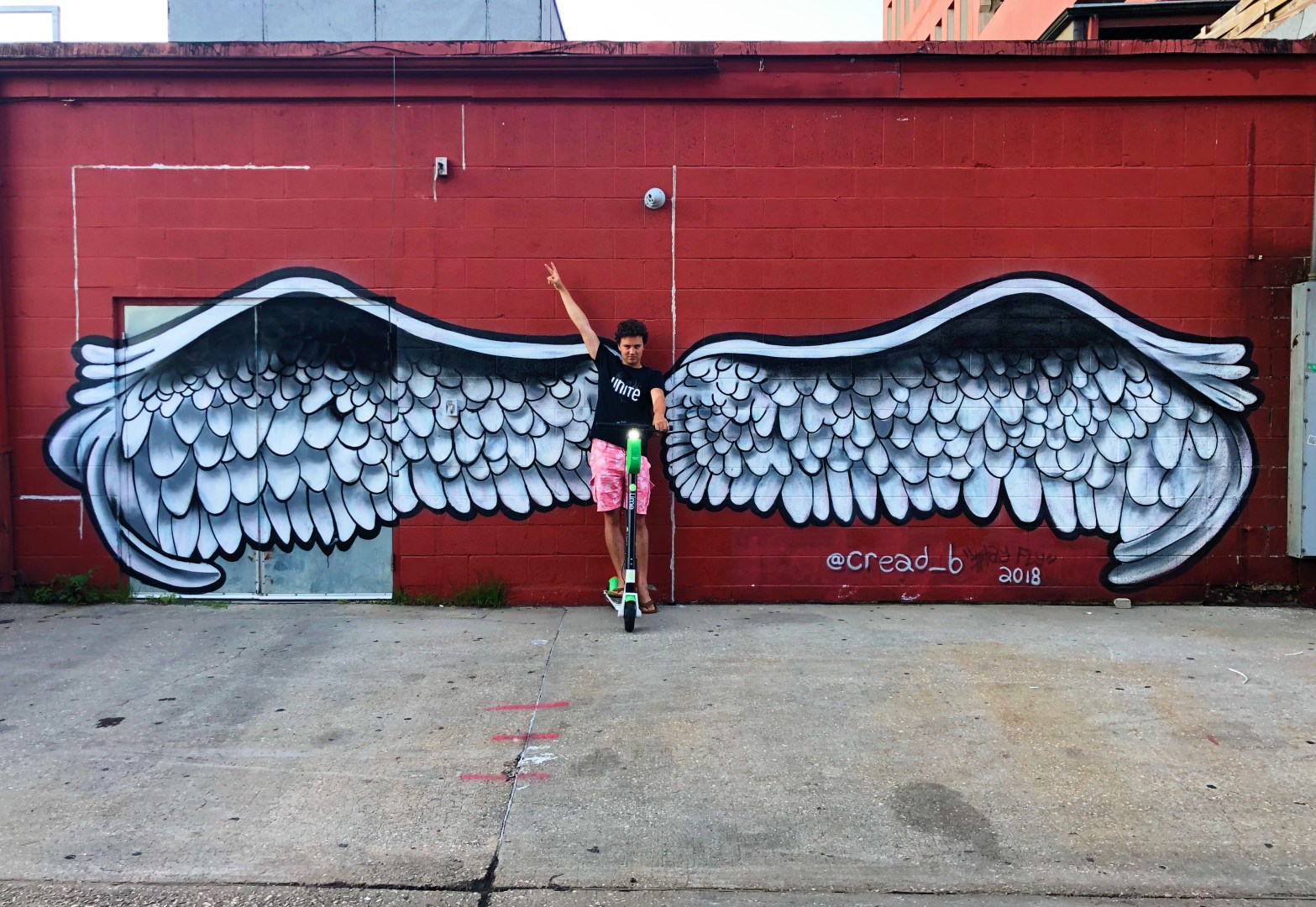
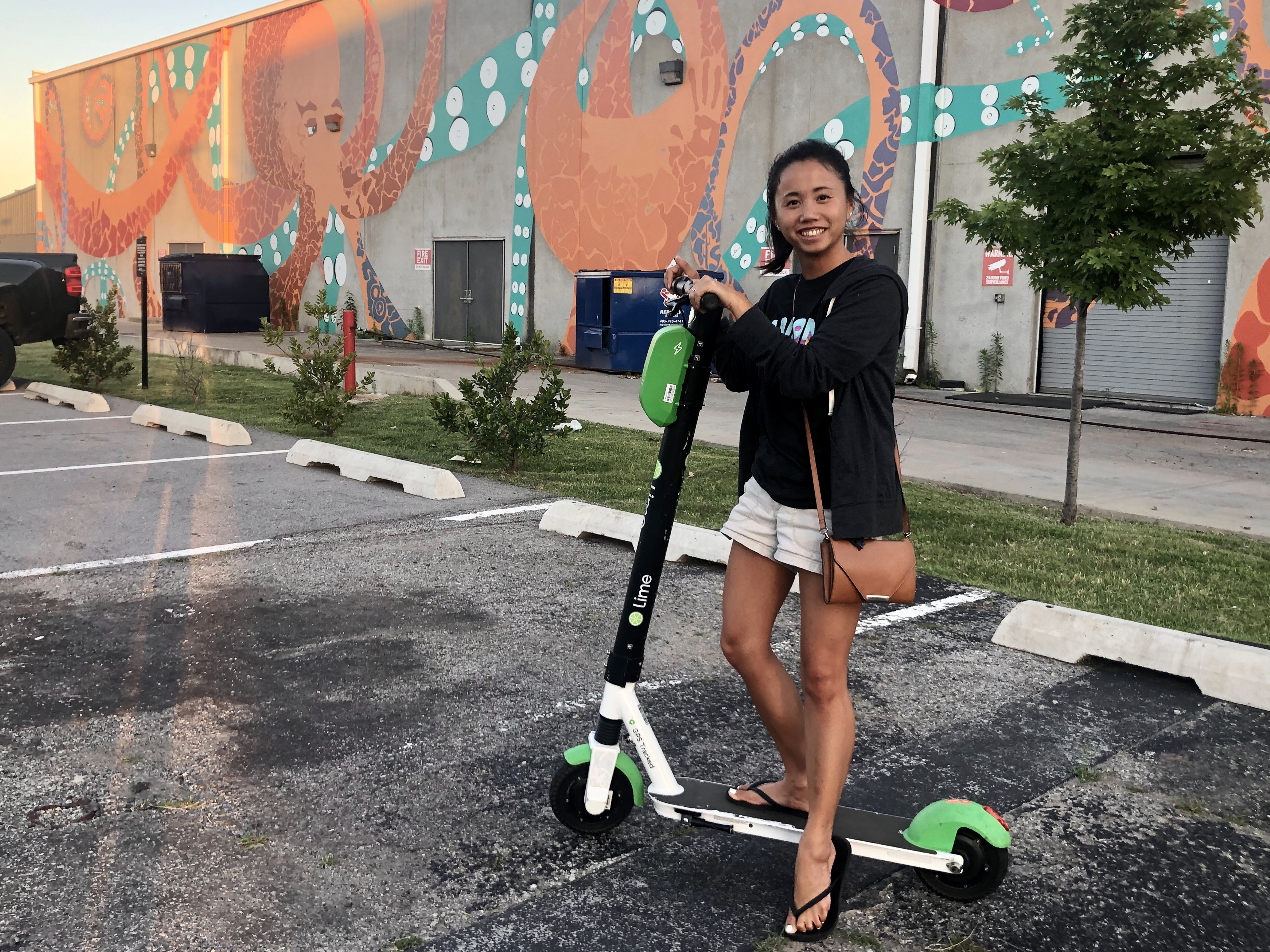
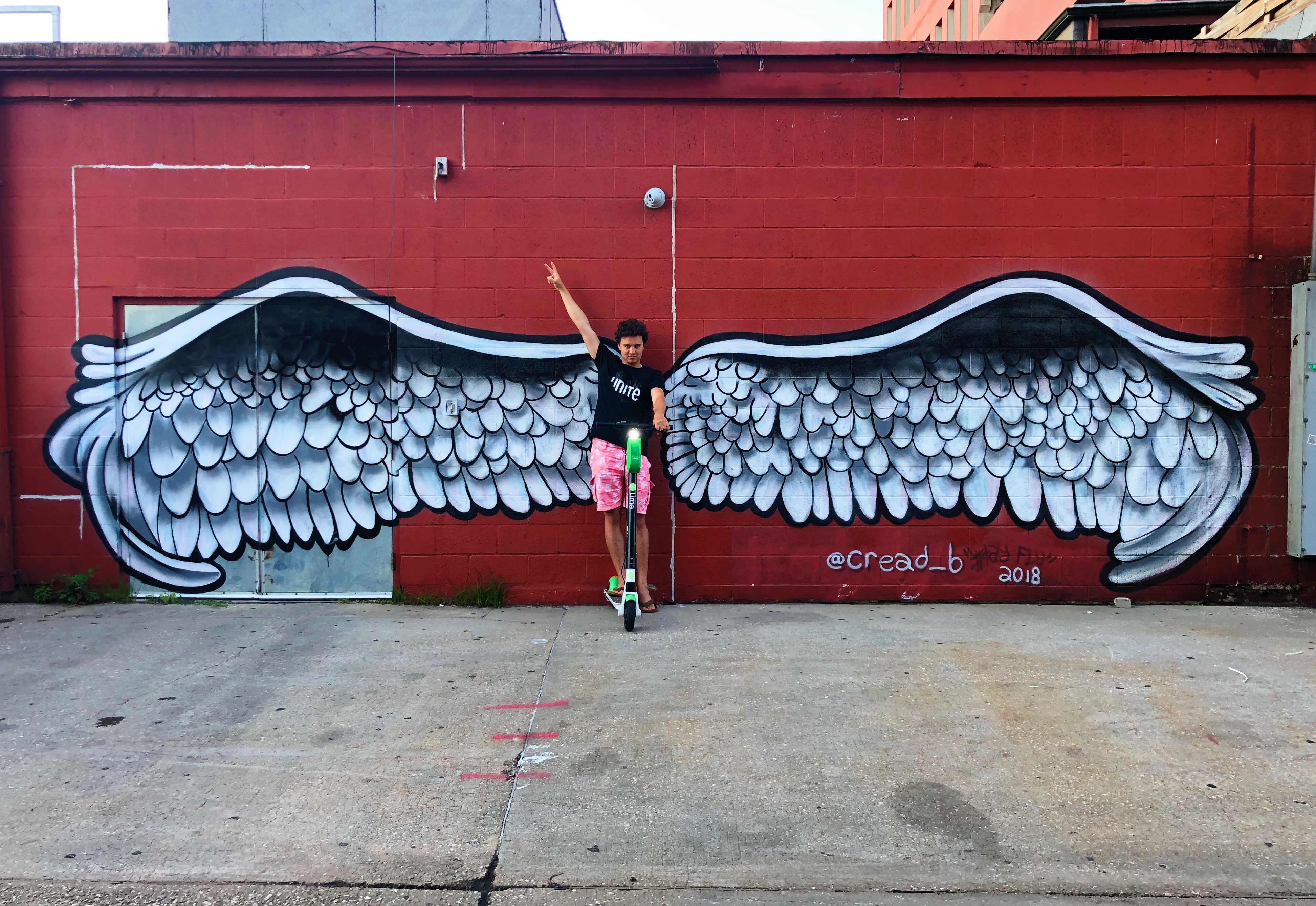
We rode scooters around Oklahoma City
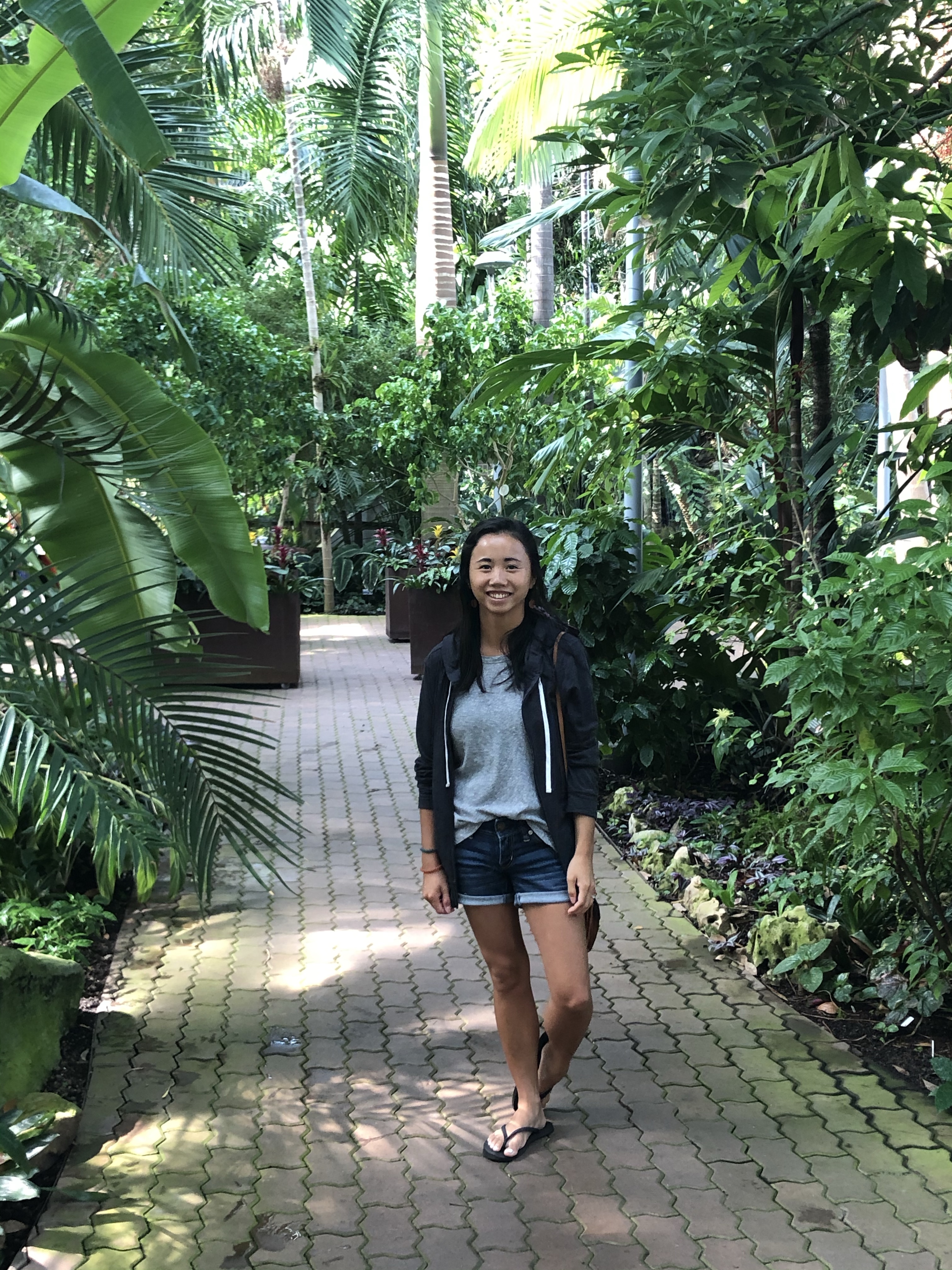
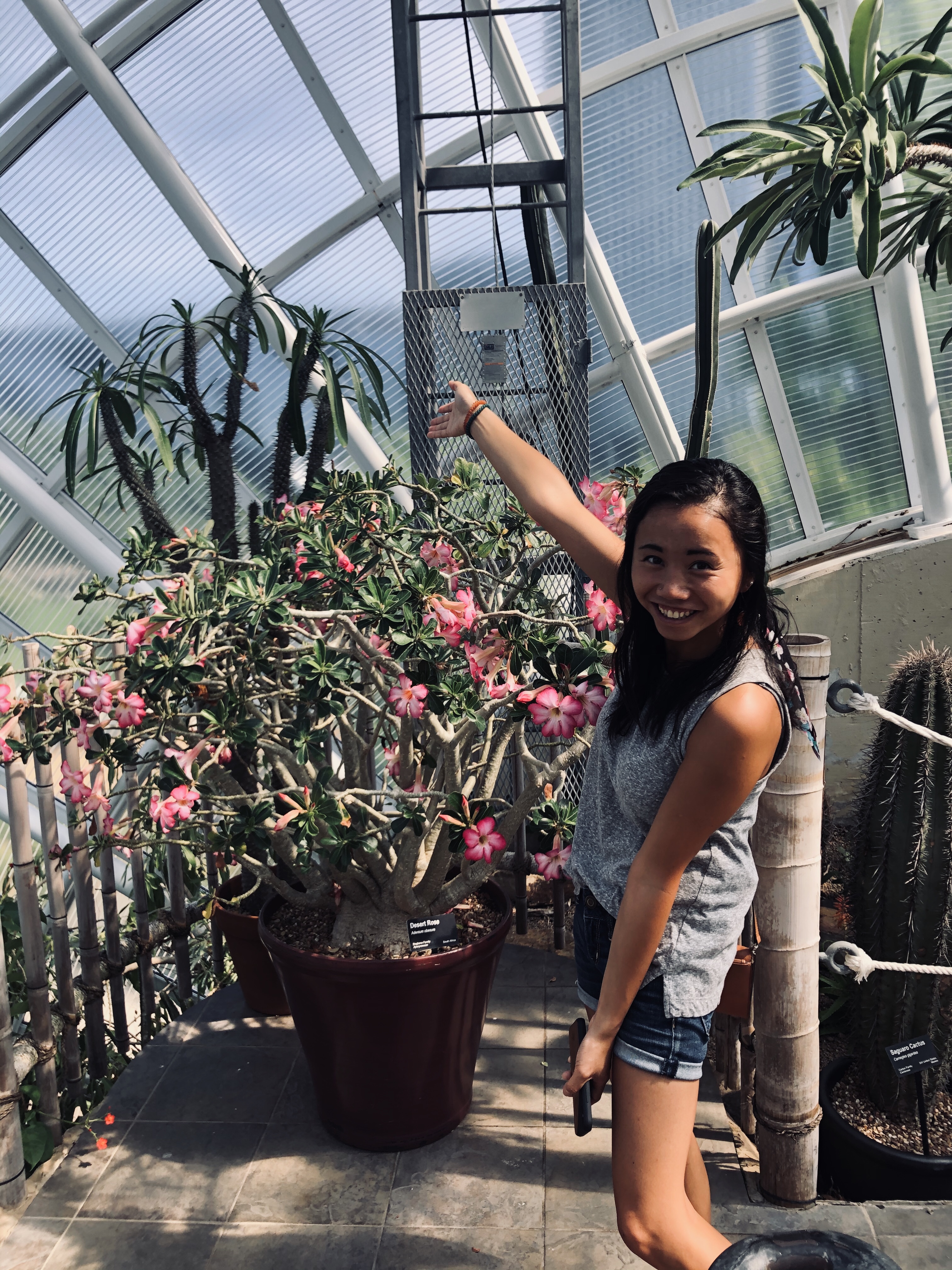
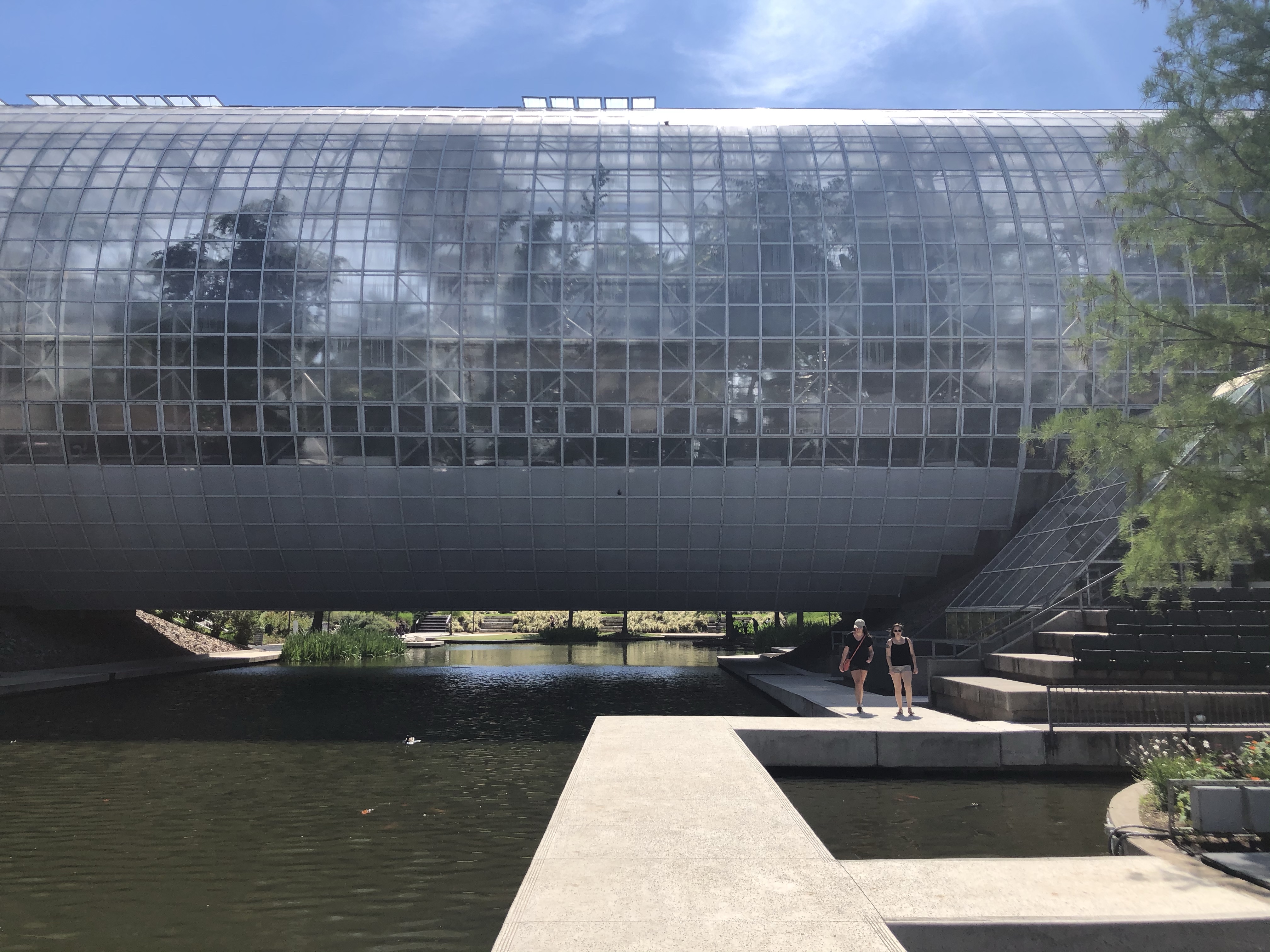
Oklahoma City’s botanical gardens were lovely!
We went from Oklahoma City all the way to Phoenix, cutting our trip from 4 days down to 3 days.
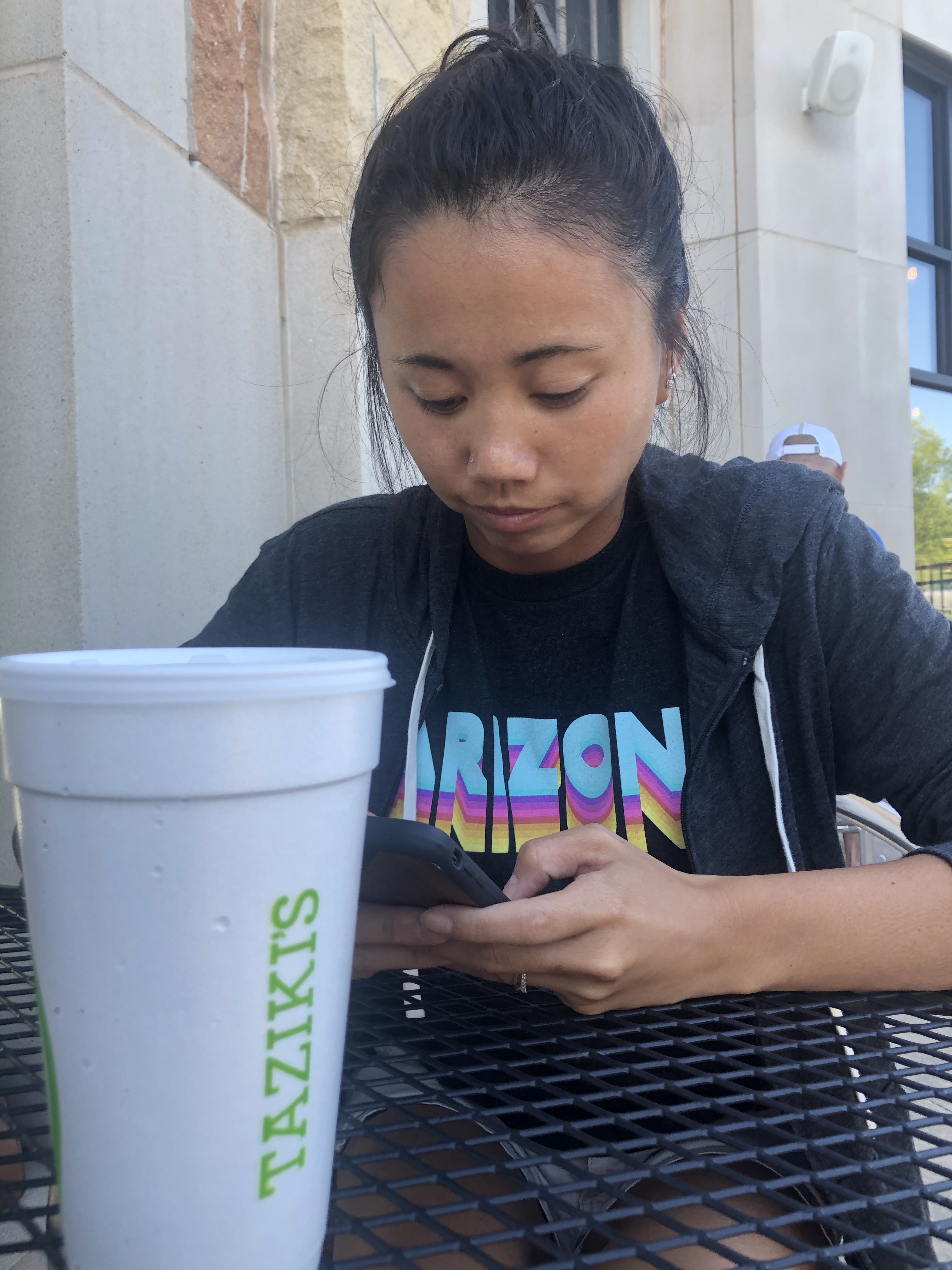
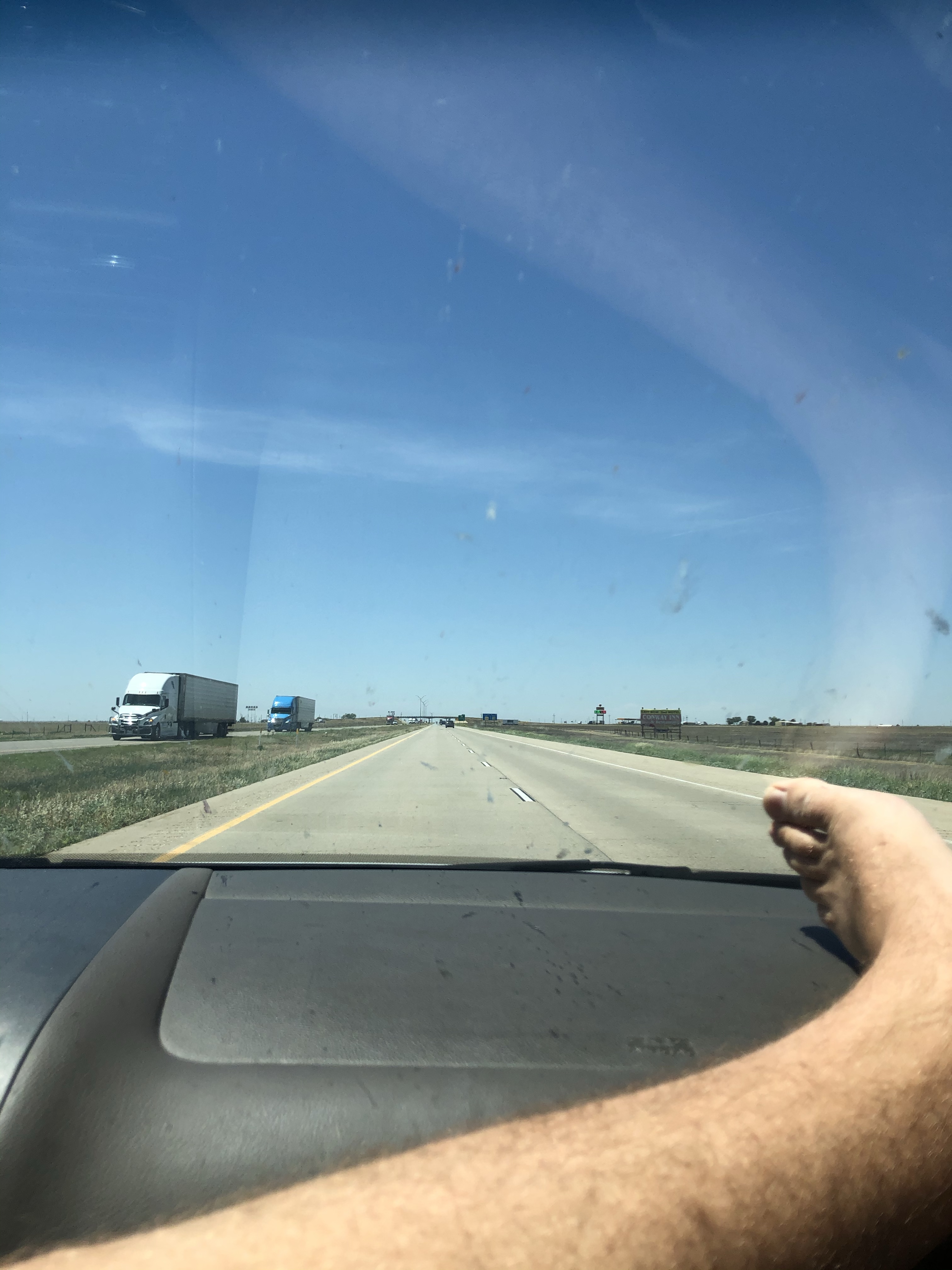
Around 1 a.m. on Saturday night, we arrived at our house in Phoenix, Arizona.
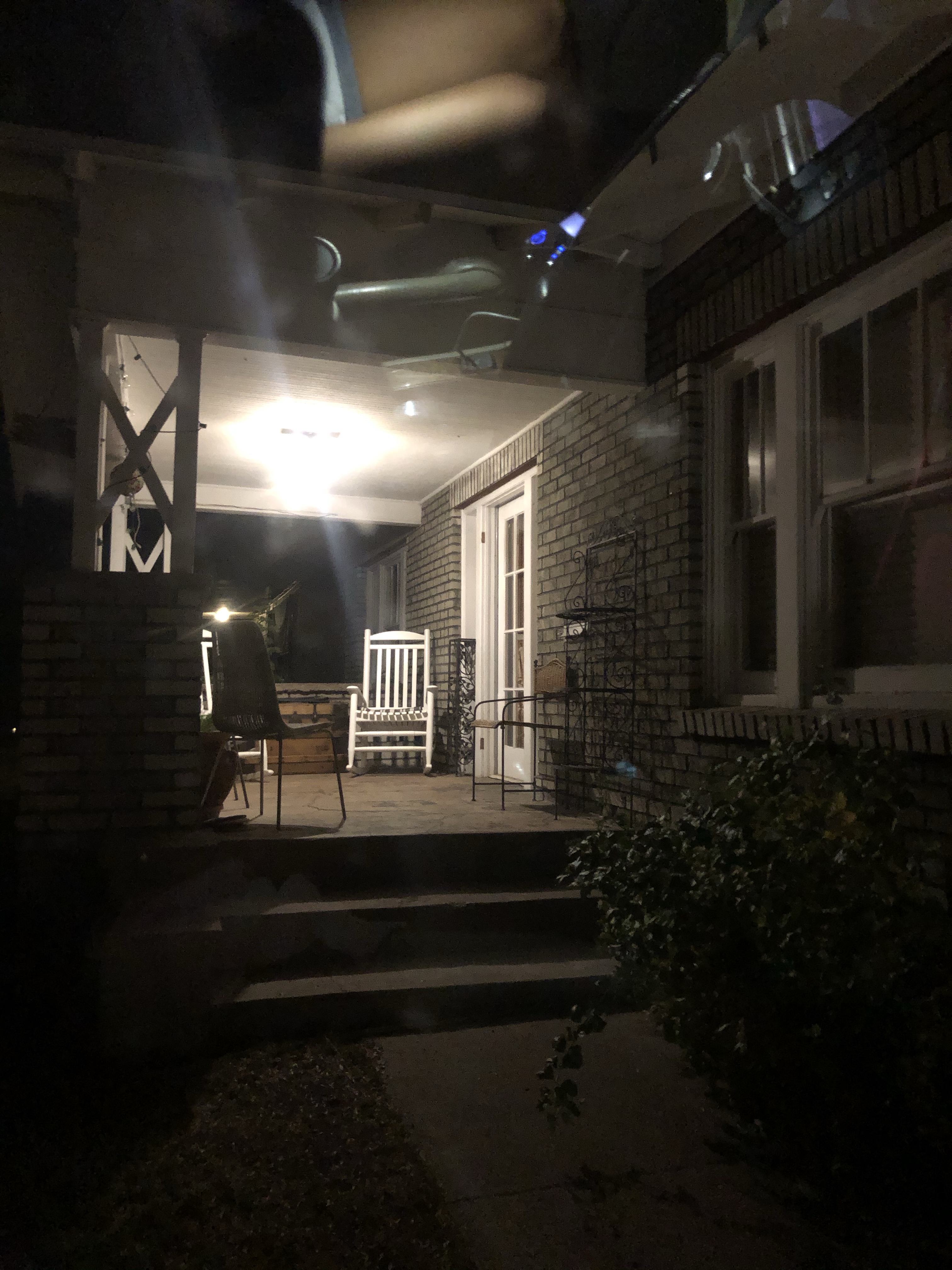
This is where we’ll be for the next two or three months working with Aim-Right Ministries and Unite Phoenix. Come see us or send us a letter or something at:
Javen and Aleisha Bear
1833 North Mitchell Street
Phoenix, Arizona 85006

Every time a murder happens which is touted as racially motivated, many of us re-enter the conversation about racial relations in America. Maybe it’s a conversation we should have more often – hopefully it doesn’t take killings to get us to the table.
History.com says slaves were brought from Africa to America for use around 1619. And then the enslavement, buying, and selling of black people was abolished by a law set forth around 1865. White people stole Africans from their homeland and bought and sold them as property back in America. Effectively, they took a people with dignity and brought them into a new society where they were made non-human. White America removed the humanness from African people openly for about 200 years.
It’s been about another 200 years since black people have been reclassified as people, not property. Abstractly, you might say we’ve now spent more time classifying African-Americans as people than we have as property used to make money. White Americans have played God – taken life and tried to give it back, stripped dignity and tried to restore it, trampled a people and tried to raise them up. But dignity is not mankind’s to give and take away. And if you spend 5 minutes insulting someone, removing their dignity, turning them into an object to be used for your gain, it’s going to take more than 5 minutes to make peace with what you did go, to make the consequences go away. For 200 years whites classified blacks as inhuman property. And then another 200 years having decided they’re actually human after all.
The reconciliation, rebuilding, the restoring of personhood does not happen fast. And probably it’s not white people’s to give back anyway. But how long will it take?No one knows. But we must acknowledge these kinds of things are not flipped on and off like light switches, or by strokes of pens on bills of Congress. And pleas to get over it or stop pretending like racism still exists after all this time are not a good way forward. What is a good way forward? Perhaps not assuming our opinions are obvious conclusions – stopping to listen, to read other perspectives, and to look at our own actions. How have I acted a reconciler? What am I doing to reverse the curses of my fathers?
First, you marvel.
Then, consider the possibility,
Finally, you take up your tools and work.
This sort of process has been my experience over and over again. I see someone make something – the coolest thing ever. And it’s like they must have been blessed by the gods to be able to create like that. But then you look into it, and while it still seems magical and impressive, it probably isn’t impossible. Eventually, you do some research, buy some stuff, and realize hey, maybe I could do this too.
I think I first experienced this with songwriting. I marveled at how anyone could go into a room with a guitar and some paper, then come back out with an anthem. I started copying down the lyrics to my favorite songs, line by line – pages and pages of mimicking the process. Eventually, I did it again but didn’t copy anything. When I walked out of the room, I wasn’t holding anything spectacular, but it was mine.

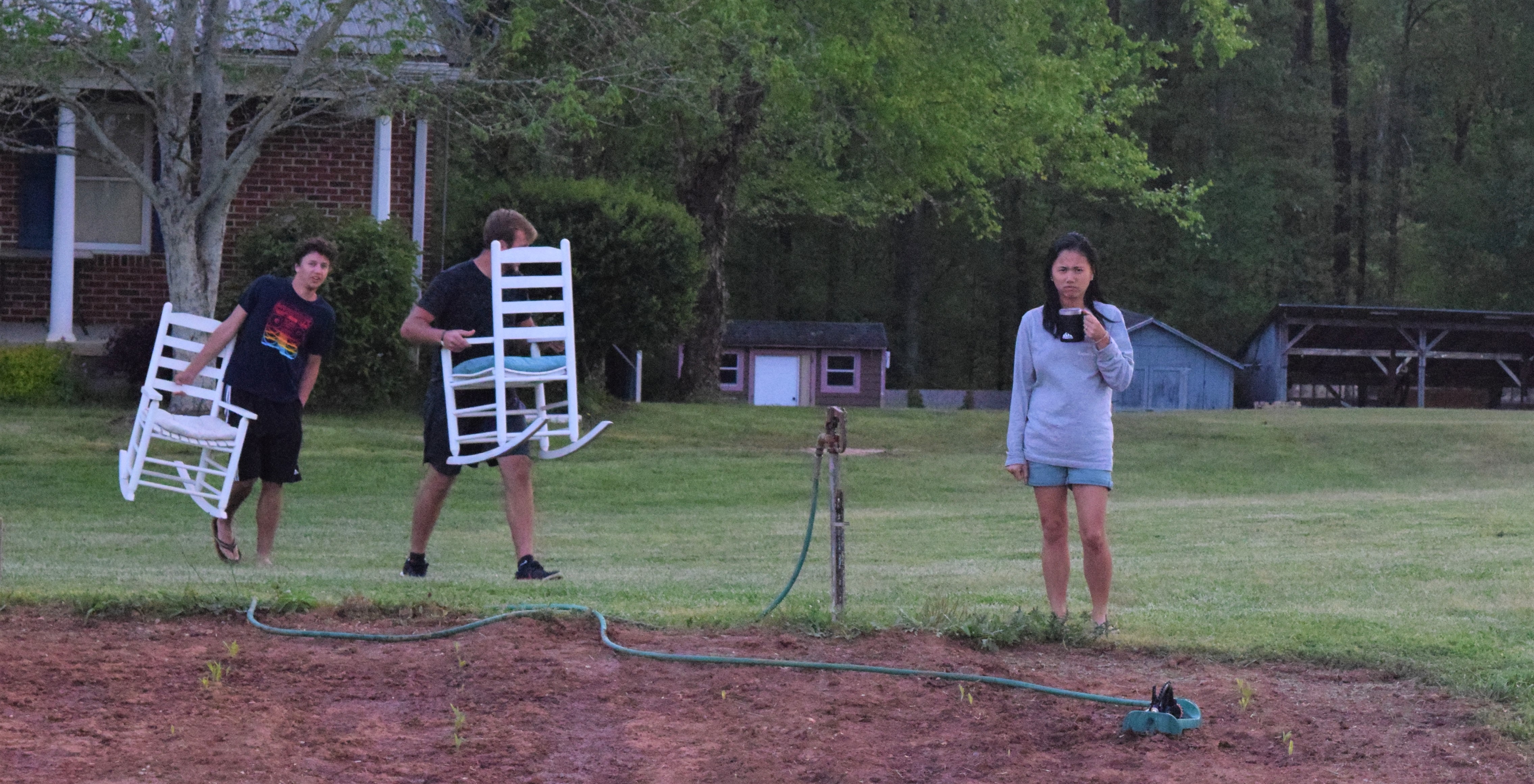
It was pretty much the same with surfing. When Switchfoot released a film (Fading West) documenting surfing off the coast of South Africa, I watched in amazement at how anyone other than Jesus could stand on water, or even better, ride with it. A few years later, Luke and I dropped $20 on a used, yellow surfboard which we became really good at falling off of. We talked a group of friends (who also had no idea how to surf) into taking a surf trip, and by the end of three days, we had all felt the rush of riding (briefly) with water. We even made a video. (from which this rather discolored image was taken)

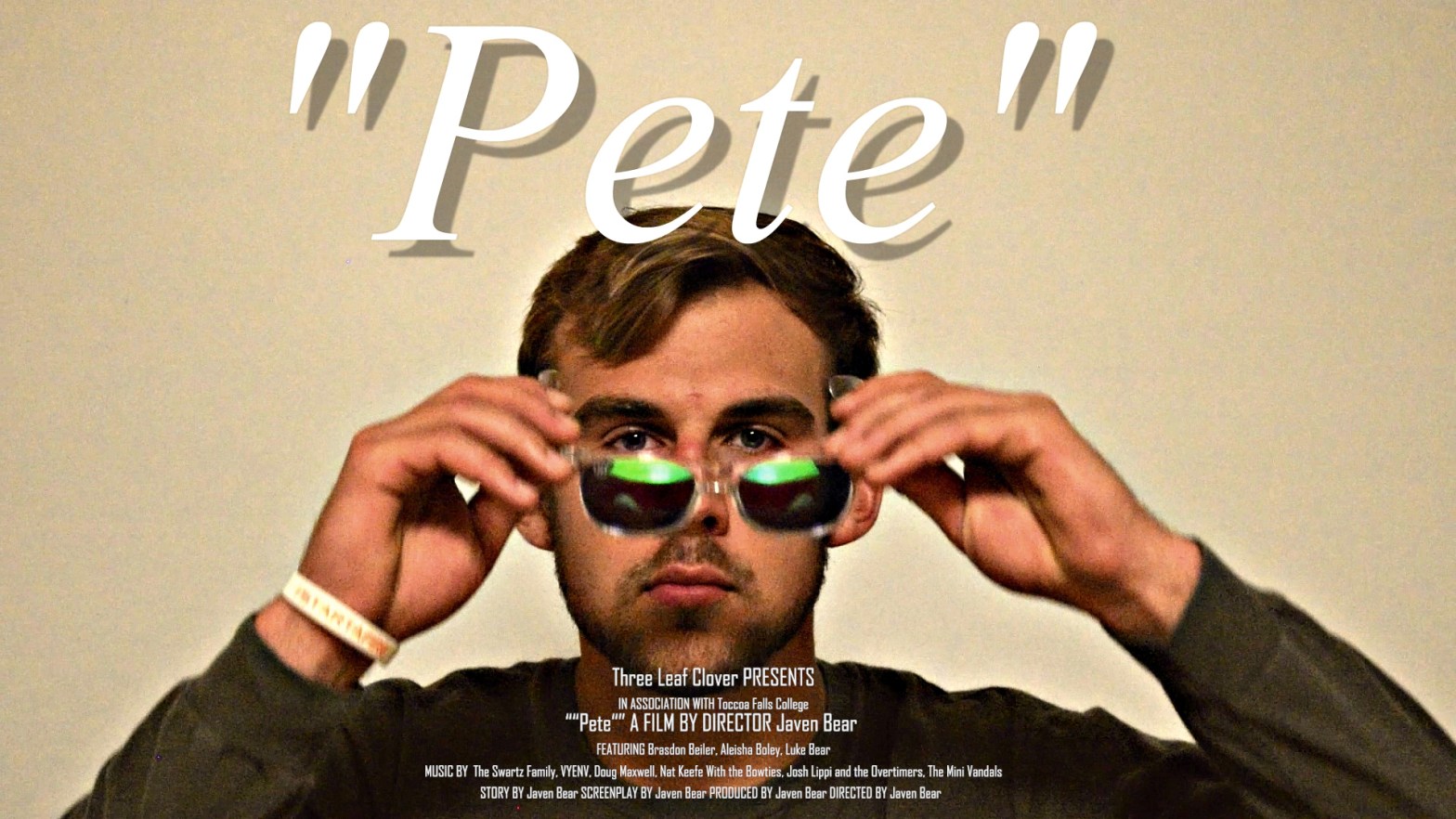
This semester I found myself in MCM-213, a media production course required for my degree program. The course requires each student to write, film, and produce their own short film. I was first hesitant and had no idea what I was getting into. Then I was excited – I had a cobbled together vision for my project. And that gave way to despair; my ideas were not working – my script was not working – things were not aligning. Eventually, the first day of shooting came, and I found myself sitting on the floor surrounded by a skeletal screenplay two hours before my main actor would want to know what to…act. I made some new stuff up, borrowed from my earlier ideas, and hoped for the best.
Filming turned out to be a blast! We filmed three separate days for about two hours each session. Brandon willingly did whatever I asked of him – Aleisha took notes of which takes were good and bad – Luke had the idea to shoot the last scene in one continuous take. And we found props and set pieces lying around our shooting locations.
Editing also turned out to be really fun. I purchased a student subscription to the Adobe Suite and watched a lot of how to use Adobe Premiere YouTube videos. I really enjoyed getting to make the mechanical choices (soundtrack inserts and video cuts…) which pushed the narrative forward. All the video was shot on my Nikon D3300, which is a very entry-level DSLR, and (almost) all the music was from the YouTube Audio Library.

After many hours of sitting in class, working on a script, filming with friends, and learning new software, I hit the “export” and “upload” buttons and declared this project finished! Now I’m back to getting Aleisha to teach me how to make macrame plant hangers, which is starting to seem less impossible.
Here is “Pete” the 2020 short film.
*watch it with headphones.

“I will not give sleep to my eyes or slumber to my eyelids.” (Psalm 132:4)
It is somewhat trivial in relation to worldwide catastrophe, but I sure do miss waking up in the morning to the thought of needing to be somewhere soon. Of speed walking across campus because I took too long in the shower. Or throwing my tea in a to-go mug because we’re about to be late for church. I can’t wait to be late to things again, to have groups of people expecting me to rendezvous with them.
At our house, not having anywhere in particular to be in the morning has led some of us to give up going to bed almost entirely. There have been some strange, unexpected meetings at bizarre times of the night. And usually in the kitchen, the light over the kitchen sink shining out into the backyard like a torch that never burns out. You wander down at heaven-knows-what hour past midnight, and there bump into someone else who also has nowhere else to be and doesn’t feel like sleeping.
The other night around 1:30 I headed down towards the kitchen and found Aleah baking two different kinds of brownies. Just kind of gave her and a few words and a wave and kept walking. Mom heard the dog up on the counter getting into food and jumped out of bed to scold her, but instead saw Luke at the bar eating ice cream. On Saturday night/Sunday morning, Mom came through as I was cleaning some fish I had almost forgotten about. The night before last, from my bed I heard someone trying to get comfortable on the couch – I don’t know they ever made it to bed at all. And just a minute ago, which was two minutes to 1, I ran into Aleah mixing up some cookie dough.
So many nights I’ve wished I could make time stop – I had so much to do: reading, writing, watching, making – and had to give it up and go to bed. Or else I disregarded the numbers on my alarm clock and then stumbled tiredly through the next day, wishing I just had time to work and sleep. Tonight I have both, but not as much motivation, not much to say at all. It feels like I can’t get momentum, like I’m stuck here with everything but inspiration. Maybe it’s the going out, the sense of urgency, the limited time and energy that create a space for making something good. I’d be ready to have that back again.
Until then, I sit at my desk and window overlooking the back yard below. And I imagine whatever might be out there in the woods looking up at the face illuminated by a computer screen, fingers meandering over keys, eyes staring back like a princess waiting to be rescued from her captor’s tower.

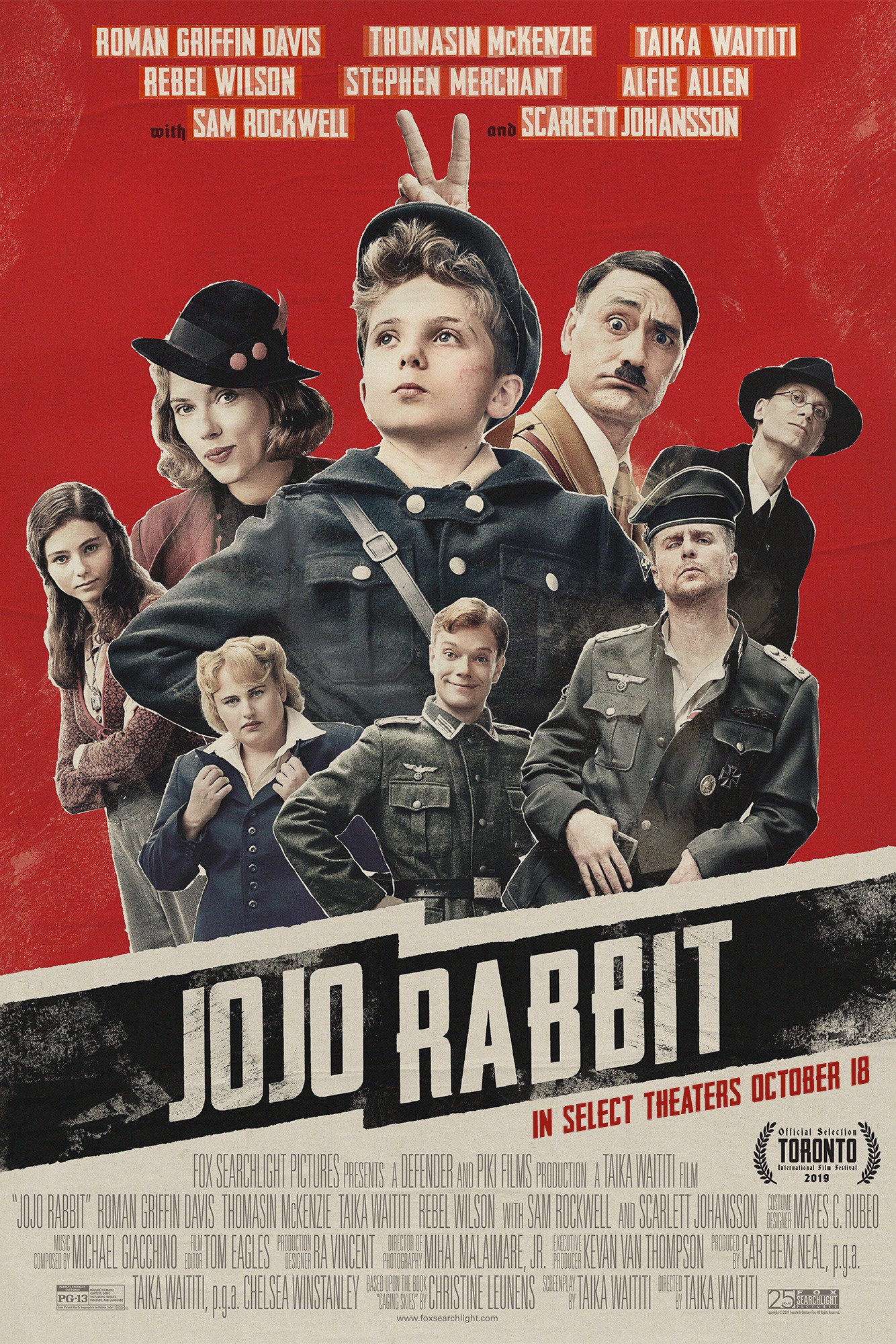

I got to watch Jojo Rabbit with a group of friends – and it’s the best film I’ve seen lately. The reactions I’ve heard/seen from some friends have been somewhat mixed – but I certainly loved it. Simply put, Jojo Rabbit a melodrama wrestling with deep, dark questions of nationalism, hate, and compassion through the eyes of a 10 year old boy growing up. As a viewer you laugh, ache, and then dance – what could be better?
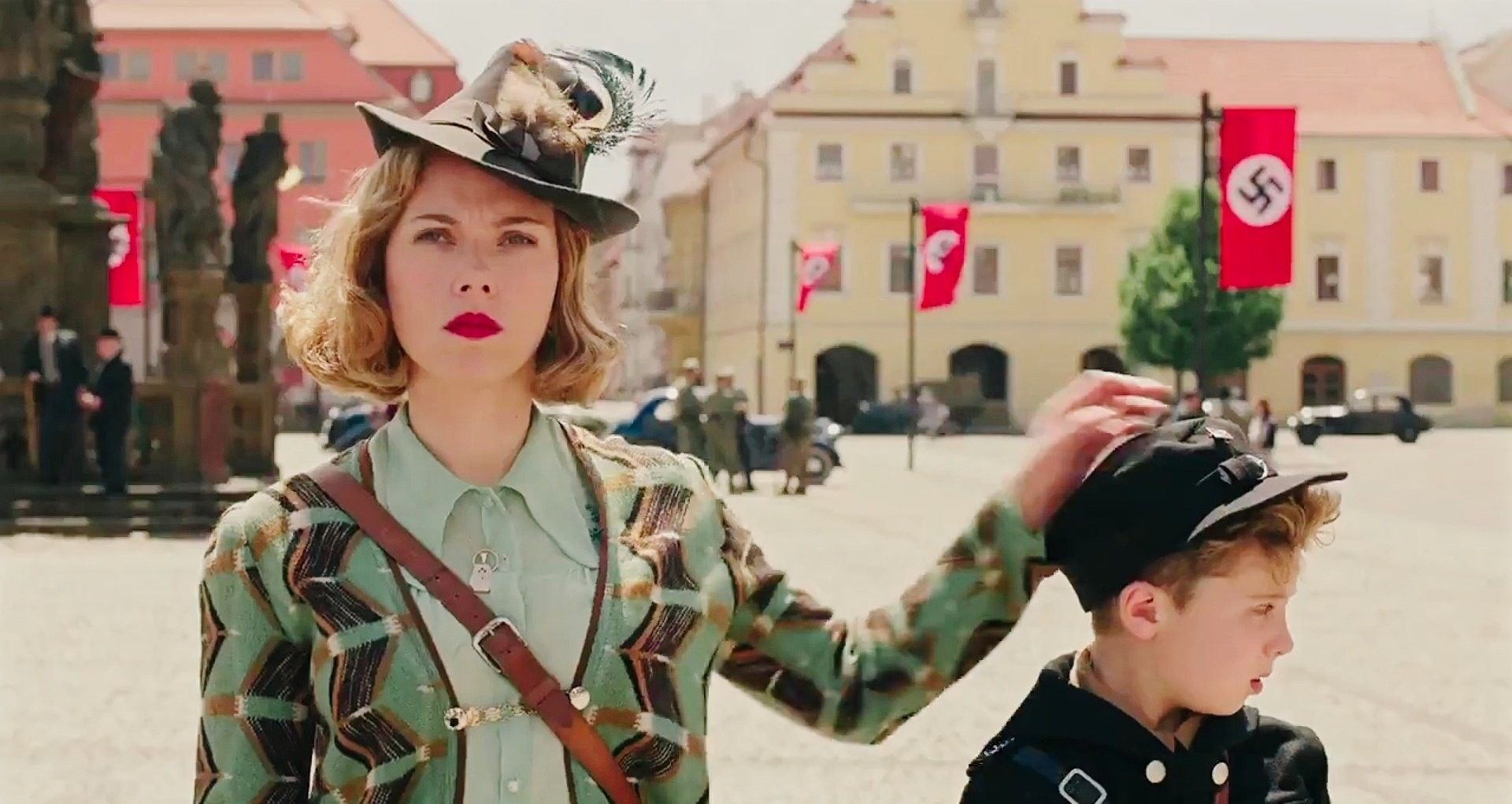
This film reminded me of the novel All the Light We Cannot See, which also tells of young boys training to be Nazis. But whereas the novel is gritty and dark even its beautiful prose, Jojo Rabbit is lighthearted and hilarious while delving into many of the same spaces. It kept occurring to me that this movie was so good, so special, because everything was seen through the eyes of a 10 year old boy. The Nazi training scenes are shot in a montage that makes it look like a summer camp, and that’s what it is for Jojo, a boy trying to become a good Nazi like he ought to. In his endeavor to become a boy the fuhrer would be proud of, Jojo is accompanied by his imaginary friend who is none other than Adolf Hitler himself (played by director Taika Waititi). I promise it’s a version of Hitler you’ve never seen.
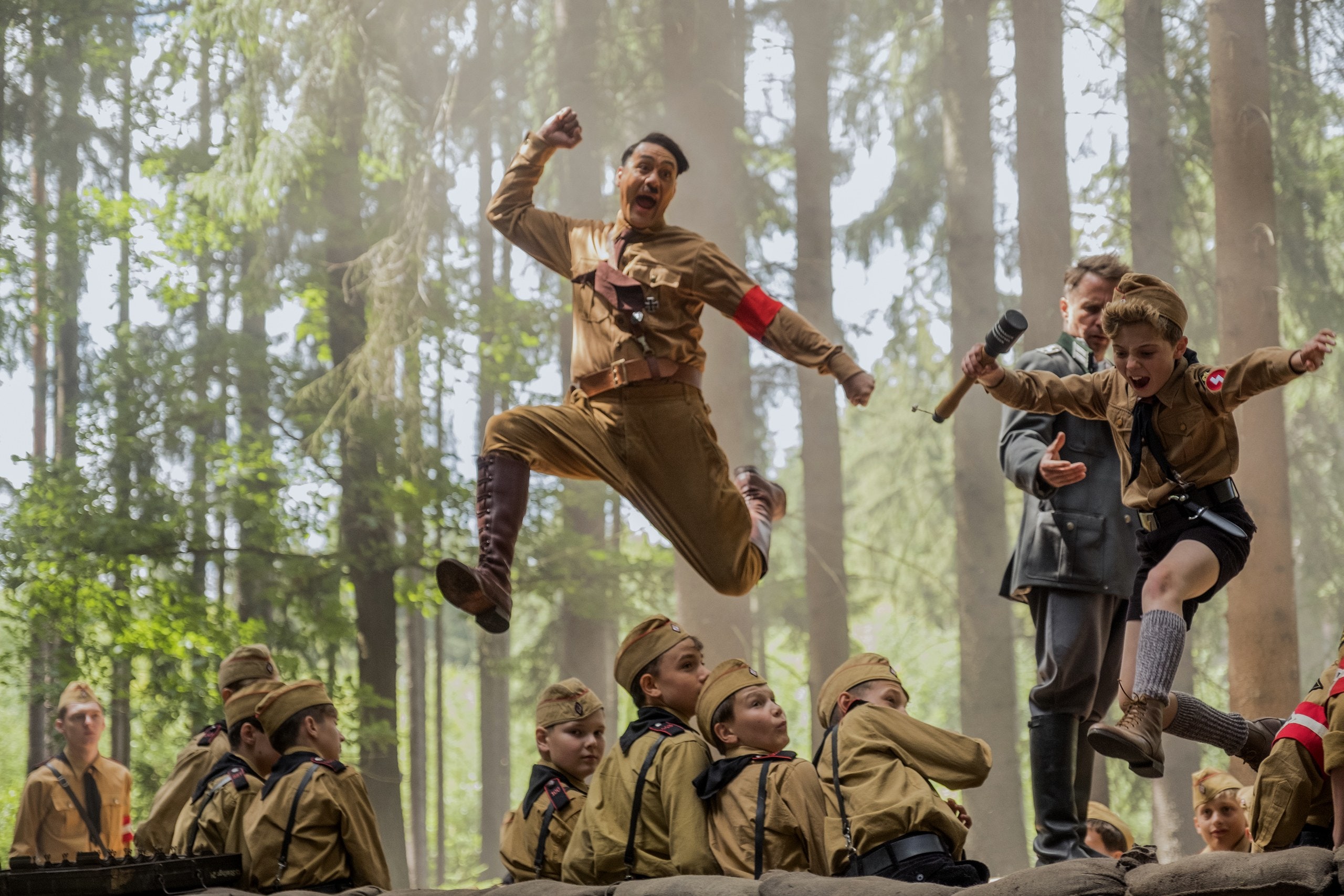
This film is also about a kid growing up, losing innocence, getting broken. Jojo gets picked on, has a best friend, and falls in love – all in the space of a World War II German city. I’ve always been drawn to stories about boys figuring out how to grow up, trying to understand why life is turning their good world upside down. For me, Jojo Rabbit is reminiscent me of some of my other favorite coming-of-age stories (Bridge to Terabithia, Boyhood, Almost Famous, Holes). And it’s so effective at portraying how the world looks to a young boy, yet as a viewer we’re allowed to see more than Jojo does – we see what’s really at stake – but all through his eyes. The war scenes are confusing, like they would be for a kid: one minute your running for your life, then you bump into an old friend, you can’t tell where the enemy is coming from, the camera’s eyes aren’t “tall enough” to show us what we’d expect to see.
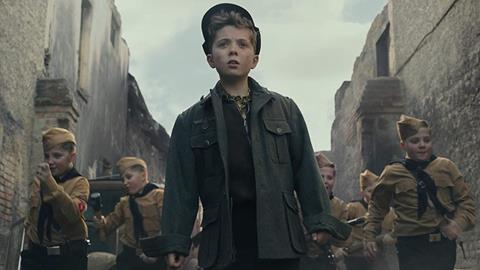
I think the most powerful element is the tangible tensions we have to hold when we see a cute, blonde 10 year old embodying Nazism which we “know” is always evil. When we see a mother loving her son but giving him the freedom and space to work out his nationalism and morality. When we see a German officer giving his life for a traitor. This film is about things not being as obvious as they seem, wrestling through that, and growing up – and it does so through the eyes of a kid with an imaginary friend.
Simply brilliant. 4.5 stars from me.


—
*if you are inclined to receive any other writing I may or may not do, you could hit the subscribe button or comment your email to be sure to receive updates.

This is the most complete collection of my songs ever collected! Most of them have been posted before (not all), but never all in one place. What follows are all my EPs with all their songs (click the links to listen) and a short synopsis for each album.

The major themes I think about in these songs are realization and acceptance, loss and confusion, and faith. My favorite song is track 3, “Where Are We” which I wrote while in college around 2020. This is, by far, the most produced work I’ve ever released. Still, it contains the rawness and intimacy of the previous three projects.
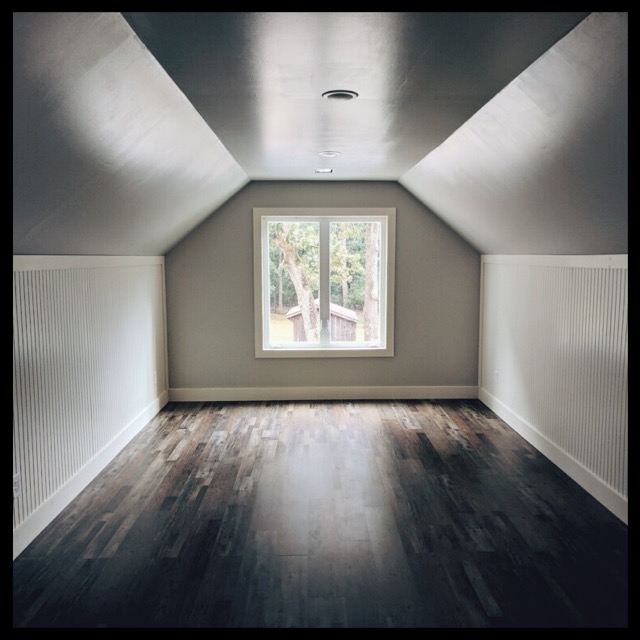
These songs are about trying to find perspective and looking towards the future, which at the time looked like a wide open room. A couple friends helped me with some of the recordings and Aleisha helped with the cover photo. My favorite song is track 3, “In Your Arms.”

This second collection of songs was written out of a pretty hard time – but with the hope of new life and resurrection in mind (springtime). The vibe of this collection is pretty mellow and raw, and I think that fits. I really like a lot of these tunes, “April” “Numb” and “Springtime” are my favorites.

*This is the first collection of songs I ever recorded. They are dear to me, and as I listen to them I think of Oregon and what it felt like to be eighteen and nineteen years old. They were (almost) all recorded with a borrowed mic and my Taylor guitar in an upstairs room. My favorite is track 4, “What Love Is” and track 2, “For Your Morning.”

 javen.bear.